Zhangjiajie National Forest Park: Complete Travel Guide (2026)
What is Zhangjiajie National Forest Park
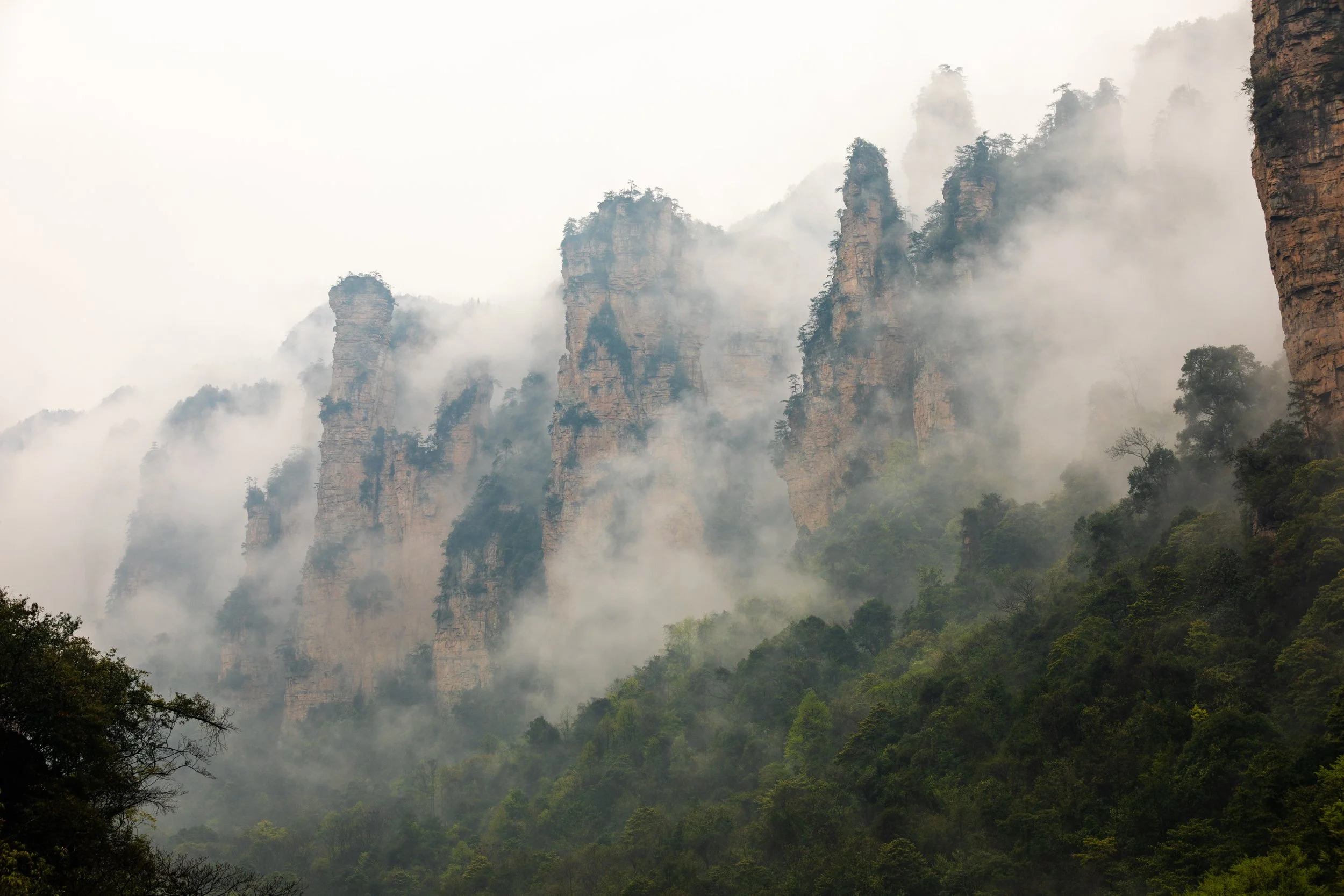
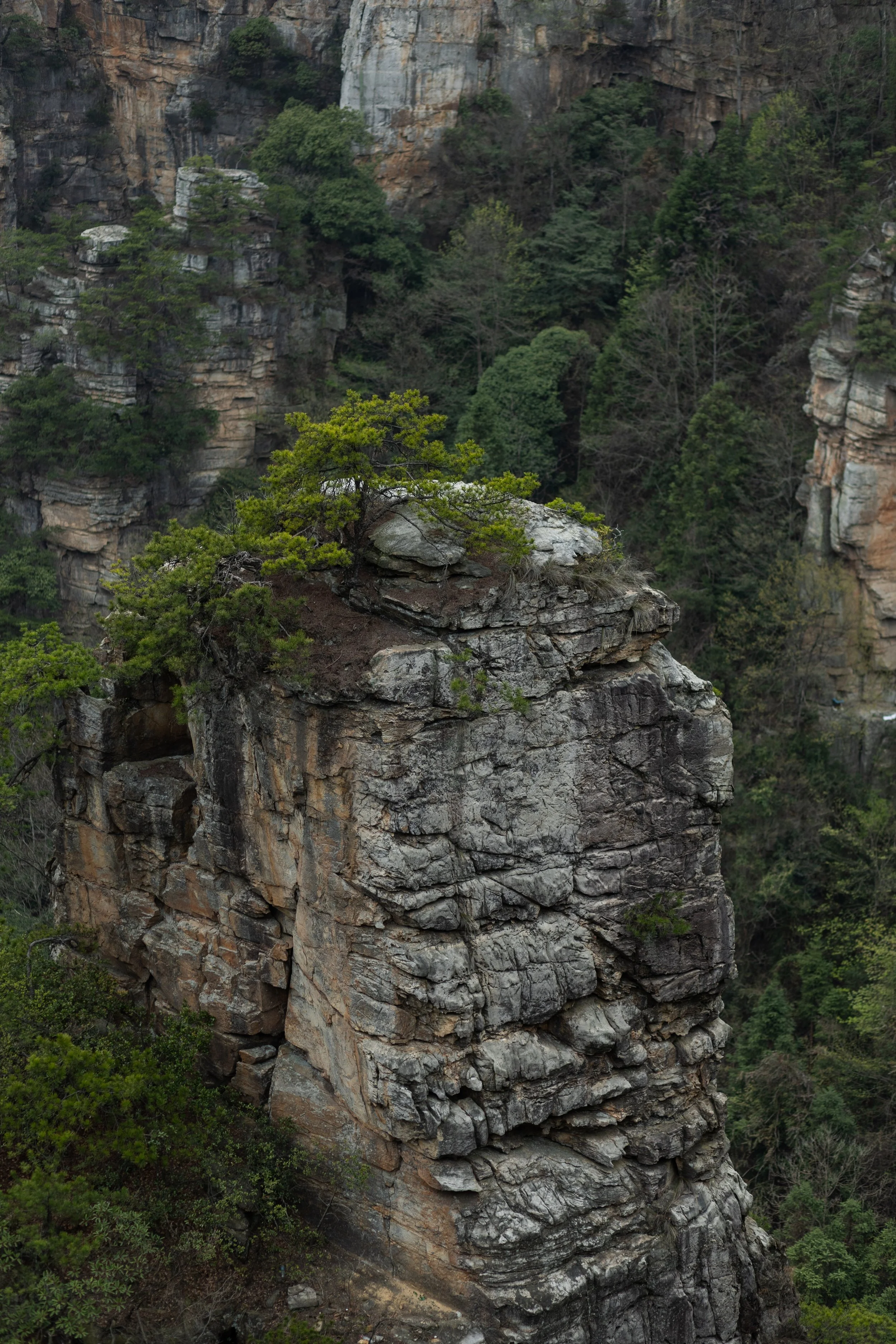
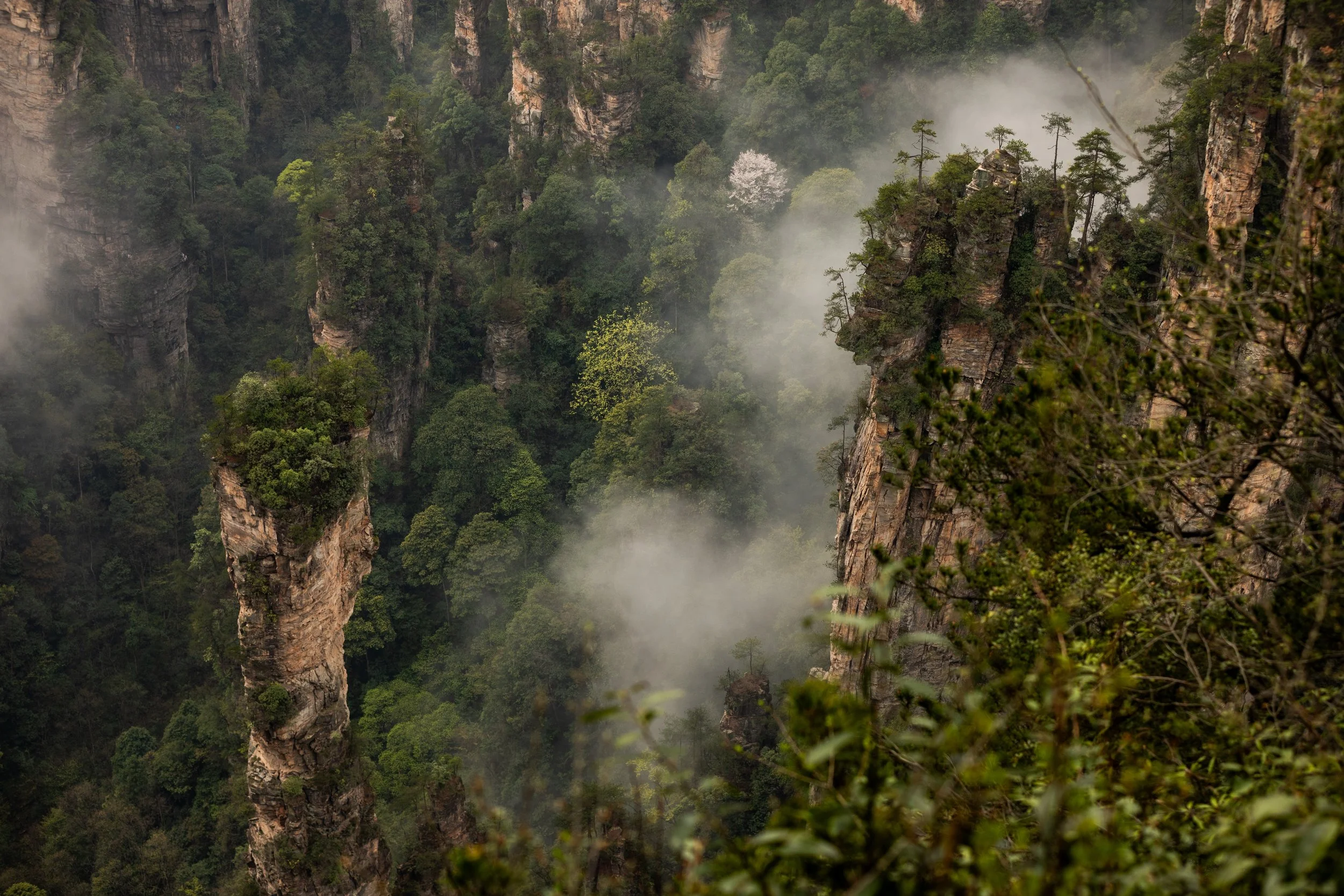
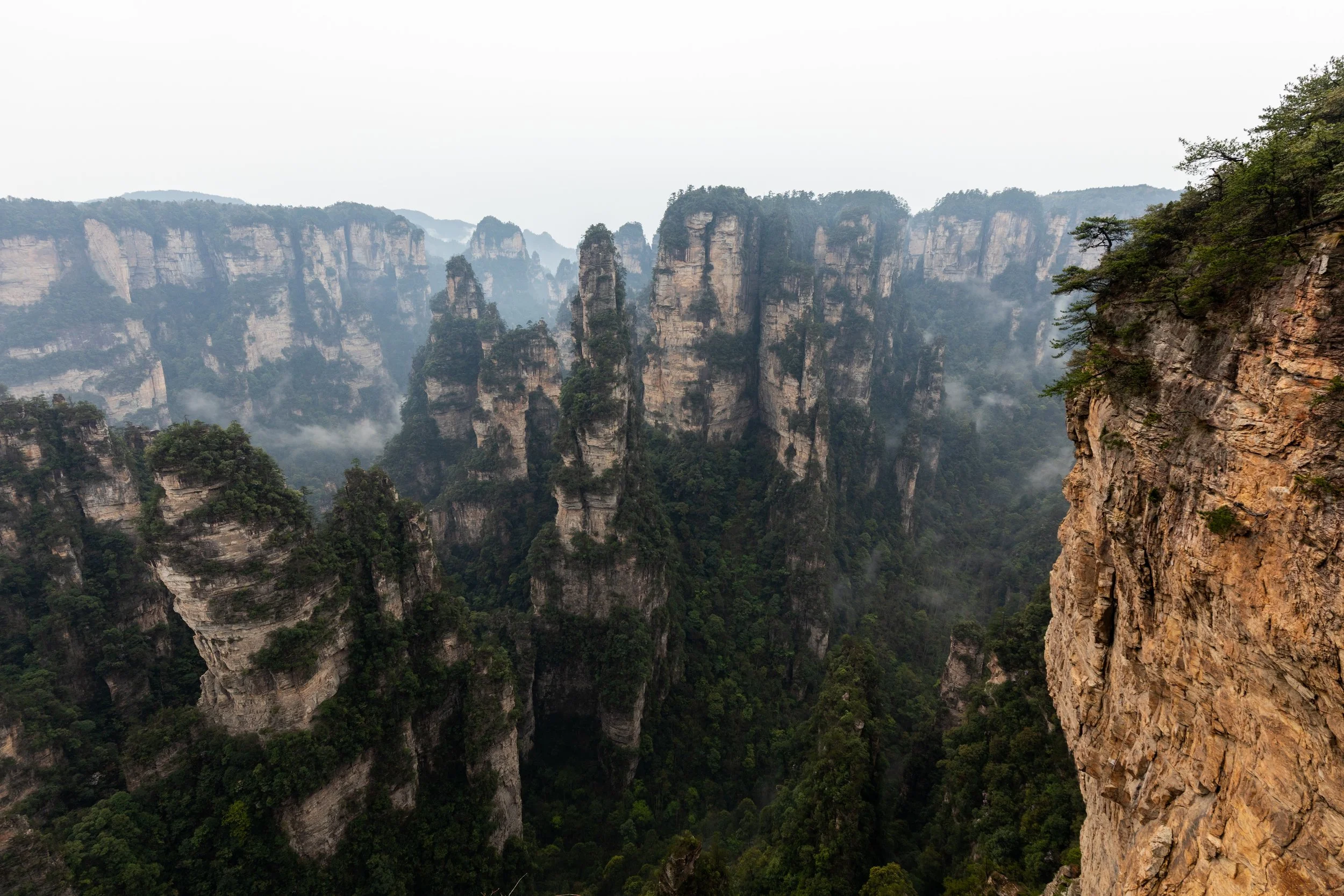
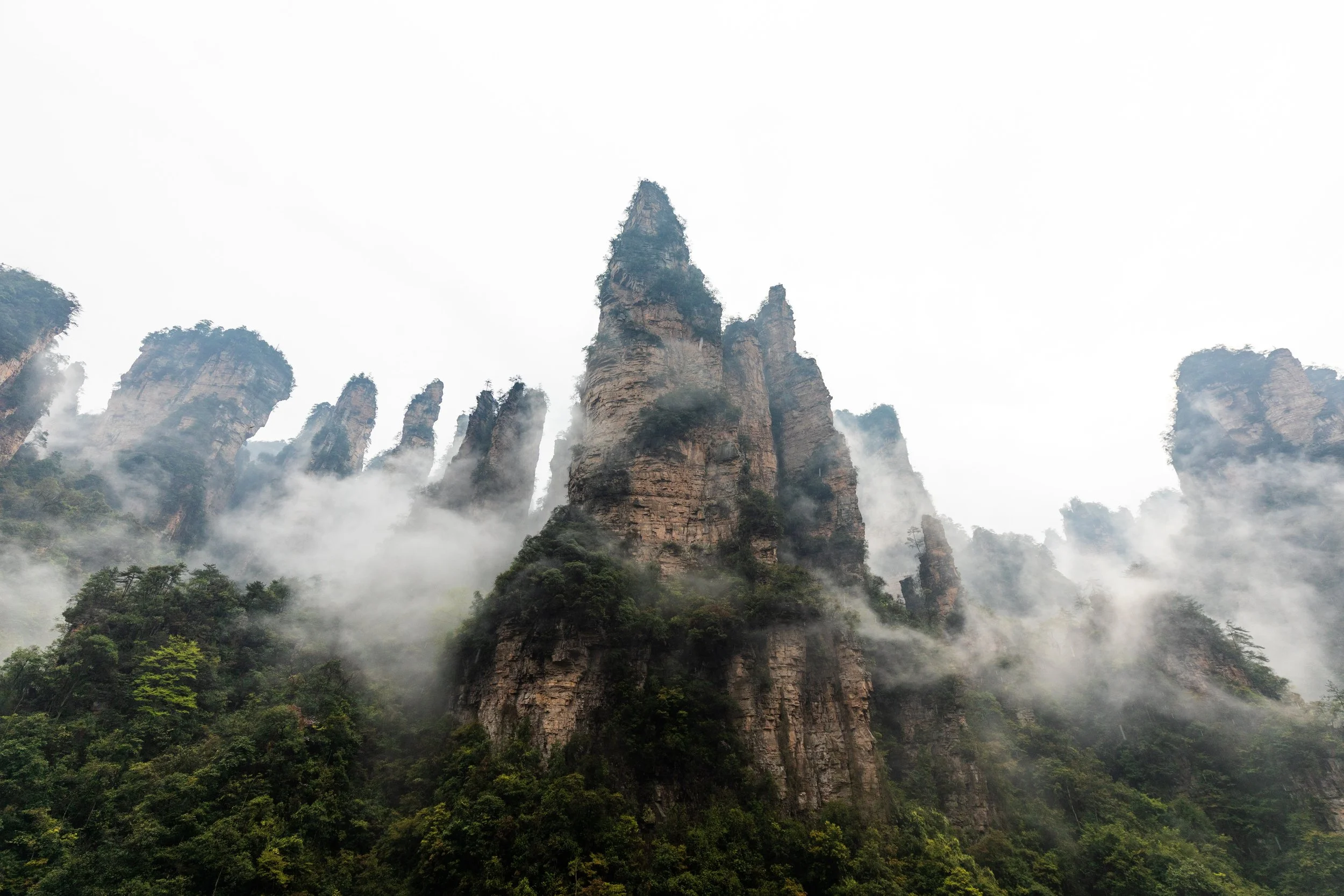
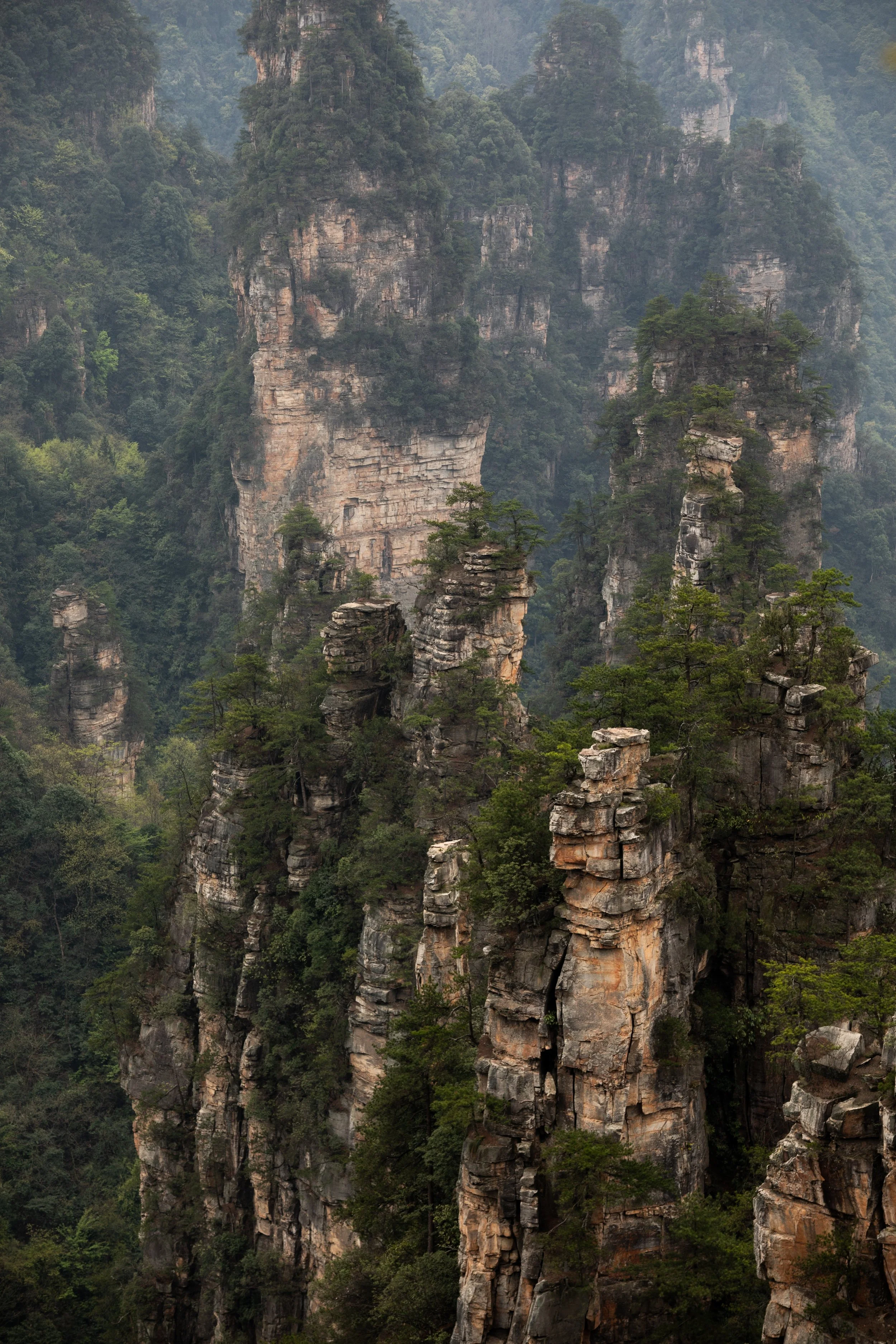
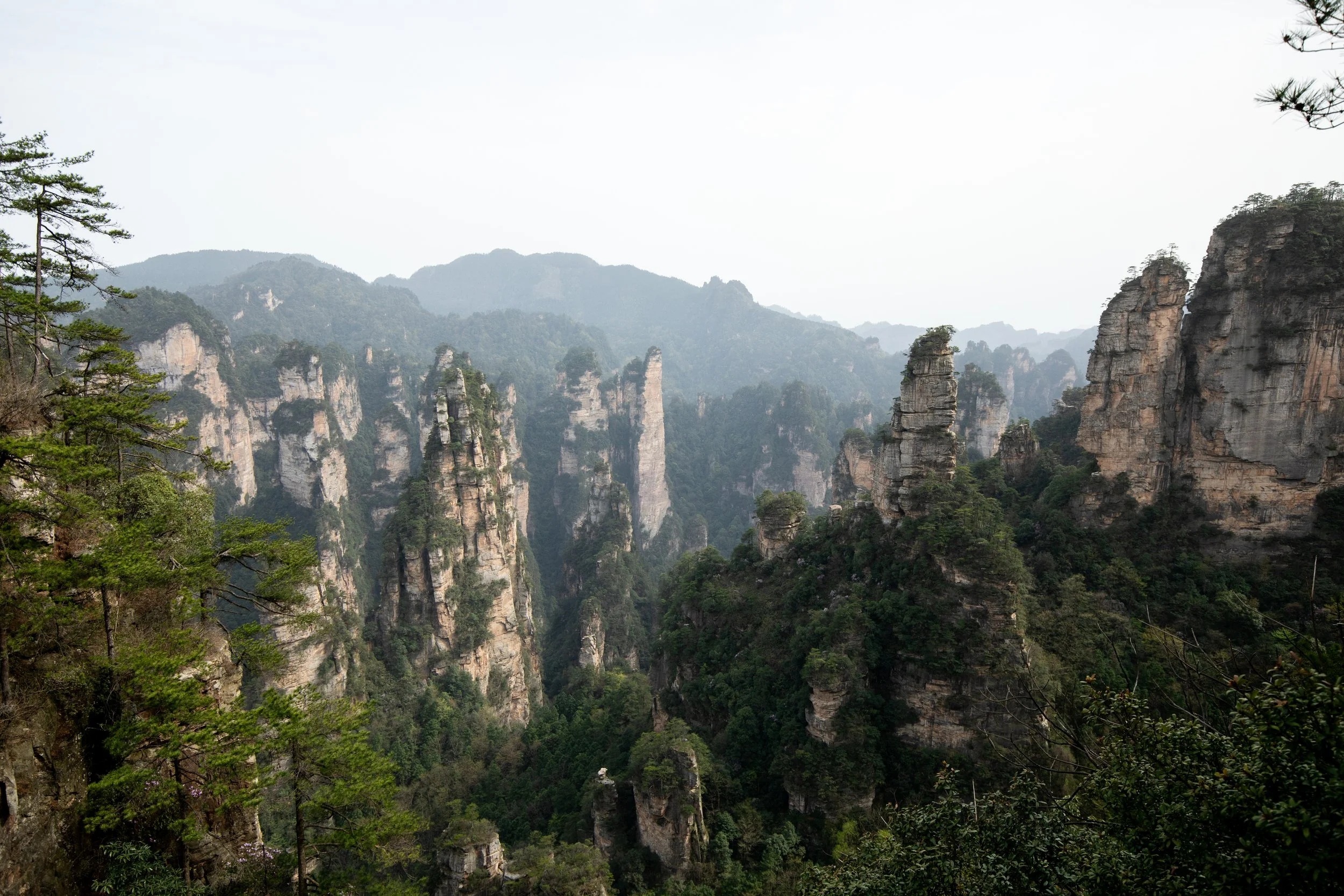
Zhangjiajie National Forest Park is one of the most unique national parks in the world. Instead of just traditional mountain ranges, the park is filled with thousands of narrow sandstone pillars rising vertically from dense forest. Many of these pillars are over 200 metres tall, and when mist moves through the valleys, the landscape looks almost unreal.
The park was established in 1982 as China’s first national forest park and is part of the larger Wulingyuan Scenic Area, a UNESCO World Heritage Site. The scenery became internationally famous following the success of Avatar - the floating mountains of Pandora took inspiration from this incredible place.
Today, Zhangjiajie is one of the most visited natural attractions in China. The park is huge and you would need multiple days to see everything, but its vast size means you can still find quieter areas away from the busiest viewpoints.
Where is Zhangjiajie National Forest Park
Zhangjiajie National Forest Park is located not far from the city of Zhangjiajie, in China’s Hunan province.
Note that, unlike this area’s other famous attraction (Tianmen Mountain), Zhangjiajie National Forest Park is not actually in Zhangjiajie, but located some distance away from the city (about 40 minutes drive).
The two distinct areas (Tianmen Mountain and Zhangjiajie National Forest Park) make for very different experiences and are both absolutely worth visiting.
Zhangjiajie Natural Forest Park rests at a lower elevation compared to Tianmen Mountain, though this varies across the park. It can be colder than Wulingyuan, so make sure to pack up some layers.
How to get to Zhangjiajie National Forest Park
Zhangjiajie National Forest Park is fairly easily accessible.
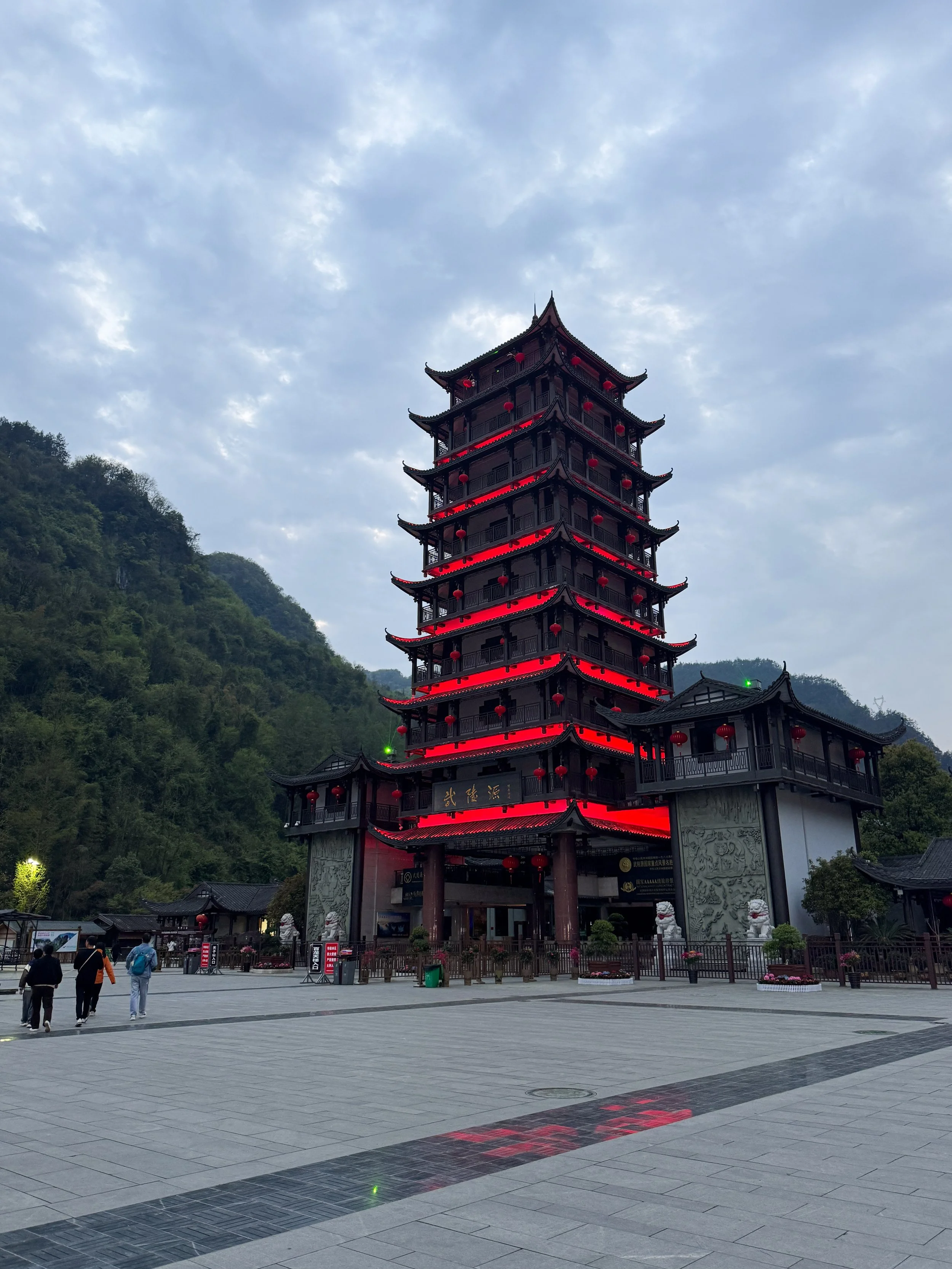
Wulingyuan is the nearest town to the park’s main entrance, and that’s where most visitors stay. This is the most convenient base, as the main entrance is within walking distance.
Because the park covers such a large area, it actually has four entrances, and they’re all quite far from each other: East Gate (in Wuliangyan), South Gate (near Huangshizhai), West Gate (near Yangjiajie), and North Gate (near Tianzi Mountain). The East Gate is by far the most popular, because it is located in the town of Wulingyuan, but the other entrances can sometimes be more convenient entry or exit points, especially on a one-way journey through the park.
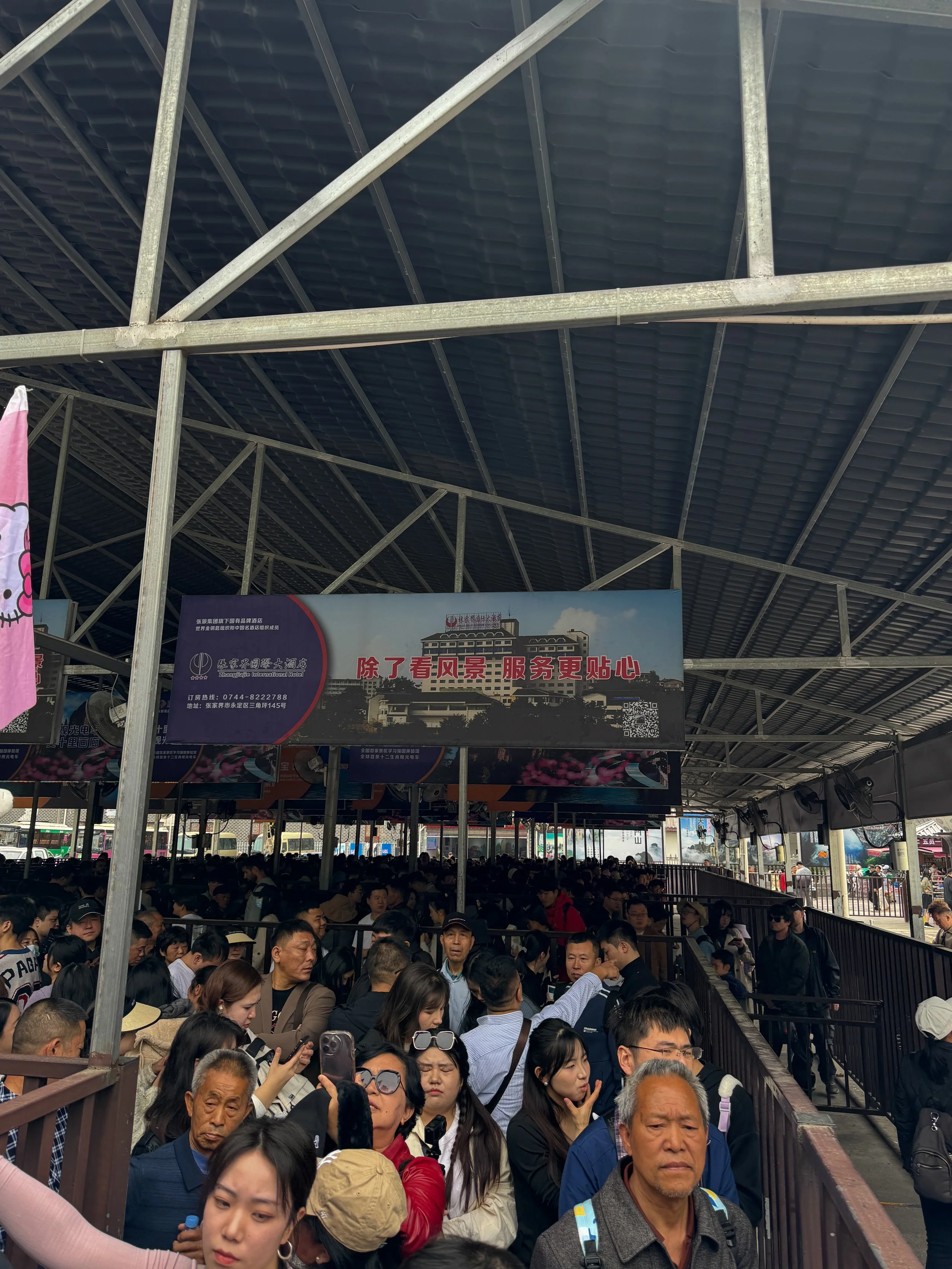
If you’re staying in Zhangjiajie city, it would be a 40/50 minute bus or taxi (Didi) ride to the East Gate of Zhangjiajie National Forest Park. Buses are cheaper, but taxi fares are really low in China, so this option is worth considering.
If you’re staying in Wulingyuan, it could be a really short walk to the East Gate, depending on your hotel location.
Direct high-speed trains connect Zhangjiajie with major cities like Changsha or Chongqing. Note that Zhangjiajie city has two different train stations - Zhangjiajie Railway Station (in the city centre) and Zhangjiajie West Railway Station (on the road to Wulingyuan). Make sure to check which one your train departs from. This is something that can cause a bit of confusion in all major Chinese cities.
If you’re travelling from further afield, like Shanghai or Beijing, then flight would be the best option (2-3 hours). The airport is very close to the Zhangjiajie city center (10 minute drive).
How to get around Zhangjiajie National Forest Park
Zhangjiajie National Forest Park is huge, and definitely not a place that can be explored solely on foot. A comprehensive shuttle bus network connects all major areas, and this is included in the entrance fee. Within each area, there are extensive walking trails that connect the various points of interest. Cable cars and elevators are available as alternatives to long or steep walks that would be required to get to some areas.Zhangjiajie National Forest Park comes with 48 square kilometres, around 6 major scenic areas, 4 entrances, 3 cable ways, 1 elevator, and multiple bus routes. For this reason, some advance planning would be required to make the most of your visit (especially if you only have 1-2 days).
Best time to visit Zhangjiajie National Forest Park
Best time of year
Spring (March - May) and autumn (September - November) are the most comfortable months. It’s not too hot, not too cold, not too humid, and more importantly not too crowded. You get to enjoy either lush green scenery or beautiful autumn colours, depending on the season, and there is a good chance of mist, which adds a dramatic effect to the landscape.
Summer (July - August) can be hot and humid, and brings large domestic crowds. If you go during this period, expect long queues and congestion around popular landmarks.
Winter (December - February) is cold, but quieter and provides a different kind of experience when the pillars are covered in snow. Visibility could be more limited.
Avoid national holidays at all costs. Zhangjiajie National Forest Park is a very popular natural attraction nationwide, and that is when people from all across China travel to those kinds of places. Attractions in China are well accustomed to this and pretty much designed to manage crowd control at a large scale. But still - you haven’t seen crowds until you’ve been to China!
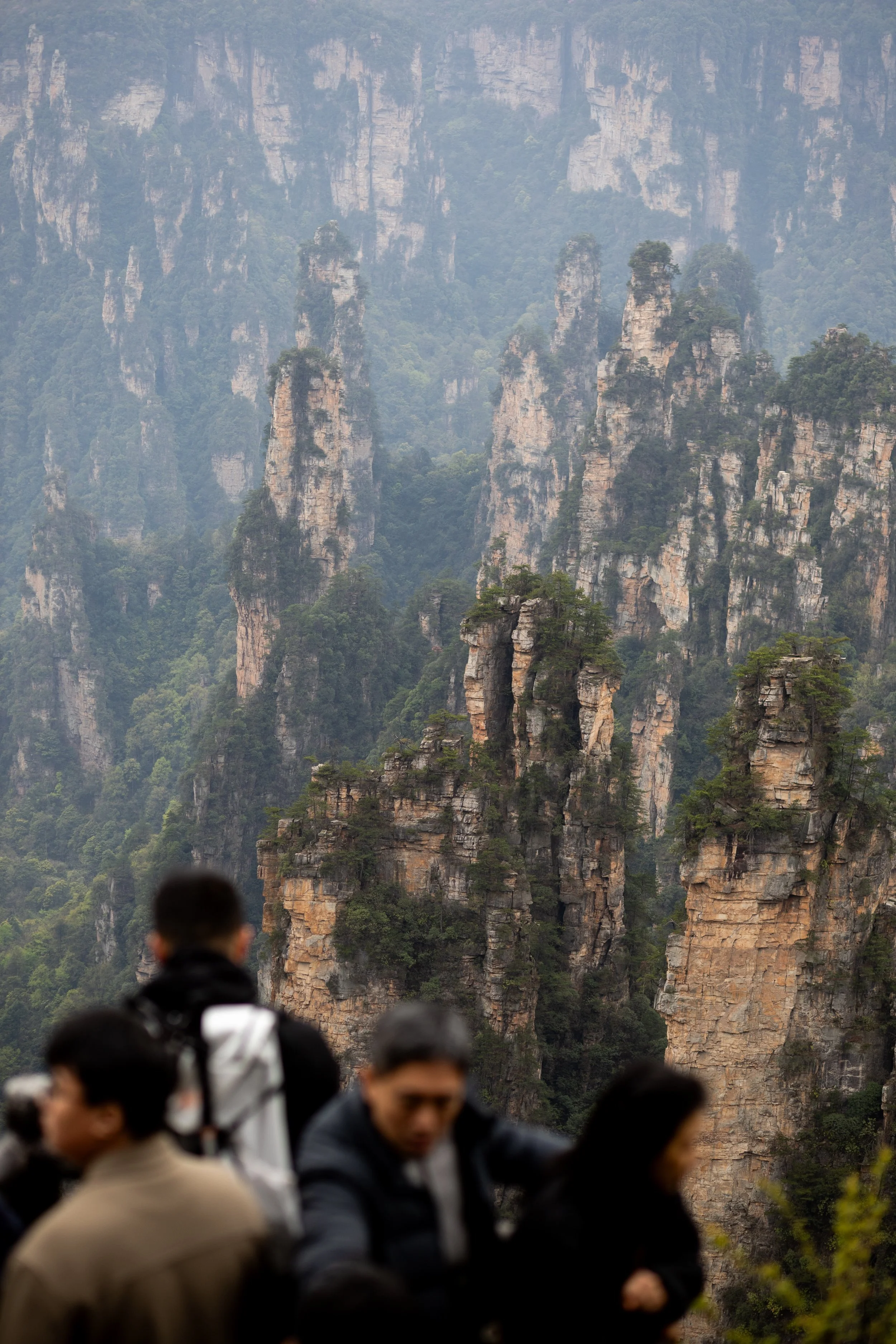
Keep an eye on the weather forecast. You don’t want to be visiting on a day with very low visibility, but some fog / low cloud is always a welcome addition to the scenery.
A visit to Zhanghjiajie National Forest Park comes with more flexibility, compared to Tianmen Mountain. The entrance ticket is valid for 4 consecutive days, but you only really need 2 days to see pretty much everything. If the weather is poor, and you have time, you could choose to do something else on that day - the ancient towns of Fenghuang or Furong are both a short train ride away.
Best time of day
Enter the park as early as possible. If you’re visiting in high season, I’d strongly recommend this, especially if you plan to enter via the East Gate. The opening hours are usually 07:30-18:00.
The East Gate is some distance away from the attractions within the park, and you need to take a shuttle bus. The line for the buses at the main entrance can build quickly, and you want to stay ahead of the tour groups. If you’re starting late, you should seriously consider using a different entrance, otherwise you could be waiting for a long time to get in and you’d be travelling with the crowds for most of the day. The final couple hours before opening times can also be a pleasant time to visit, as the tour groups would have left by that point. Midday is a busy time at Zhangjiajie National Forest Park.
You are more likely to experience mist around the pillars in the mornings, so that’s another great reason to start your day early.
Entrance fee to Zhangjiajie National Forest Park
At the time of our visit (April 2025), the entrance fee was 228¥ per person - that’s about £25. The price might vary slightly between low and high seasons.
The entrance fee may seem relatively expensive, at least by Chinese standards, but the ticket is valid for 4 consecutive days, and the park is huge - requiring at least 2 days to see everything, and that’s on a packed itinerary. It includes access to all areas of the park, as well as unlimited travel by shuttle bus between the attractions.
Other modes of transportation come with an additional small fee. For example,
Bailong elevator (68¥ one-way)
Huangshizai cable car (65¥ one-way)
Yangjiajie cable car (76¥ one-way)
Tianzishan cable car (72¥ one-way)
Ten Mile Natural Gallery mini-train (35¥ one-way)
It may seem like these costs could add up to more than the entrance fee, but, on a typical visit, you would probably not take more than 2-3 cable car journeys. It is often the case that the journey can simply be done via shuttle bus or by foot instead of cable car.
Tickets can be booked online on the official Wechat channel, but unless you really know what you are doing, I would strongly recommend just using trip.com (same price, and much easier). While it is recommended to secure tickets in advance especially in high season, this is probably less important, compared to Tianmen Mountain, since the tickets are not really timed entry and valid for multiple days. We visited in April and purchased our tickets in person, on the first morning.
Best things to do at Zhangjiajie National Forest Park
The park is extremely large and divided into several scenic areas. Shuttle buses connect all major sections. Most visitors spend 2–3 days exploring.
Yuanjiajie Scenic Area (Avatar Mountains)
Yuanjiajie Scenic Area is the most famous part of the park, and the most beautiful. If you see just one area of the park, let it be this one.
Most visitors reach this area using the Bailong Elevator, a glass elevator built into the cliff rising 326m - the world’s tallest outdoor elevator. This is probably the best and most impactful way to start your visit to the park.
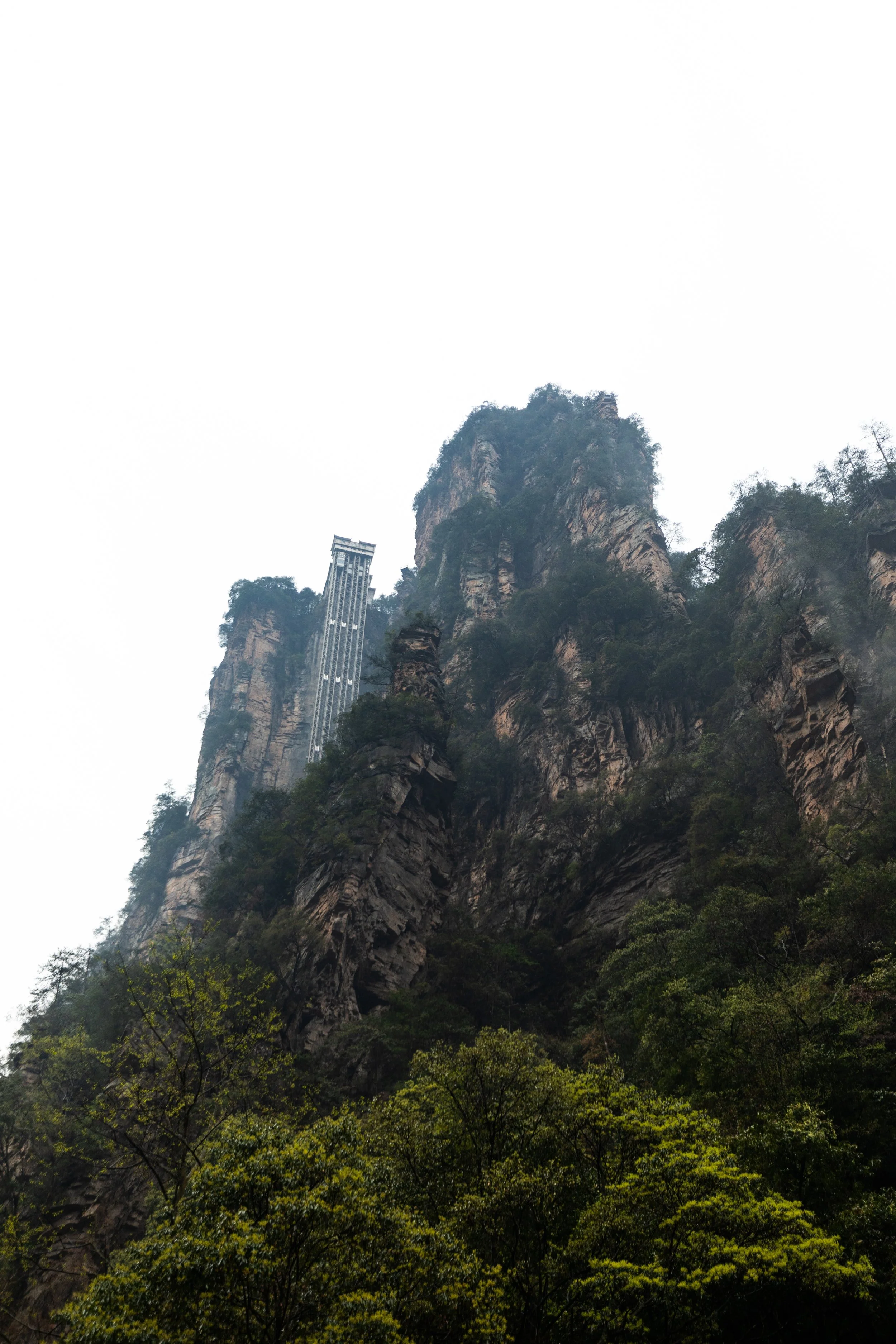
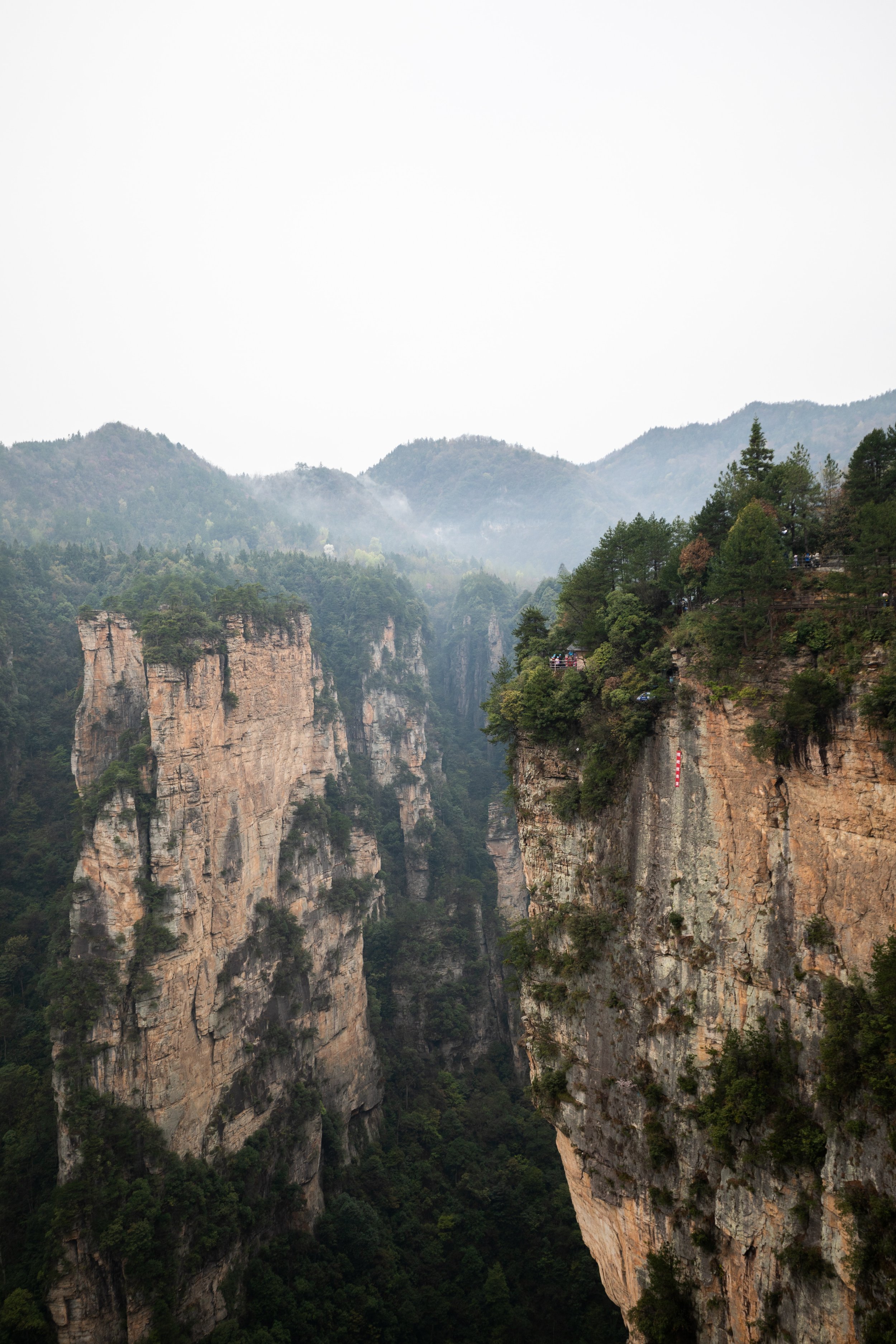
If there is a queue on the lowest floor of the elevator area, note that this is not the queue for the Bailong elevator. First, there are standard elevators that take you to Bailong Elevator. This isn’t obvious, so you could skip past and walk up the stairs to save yourself some time.
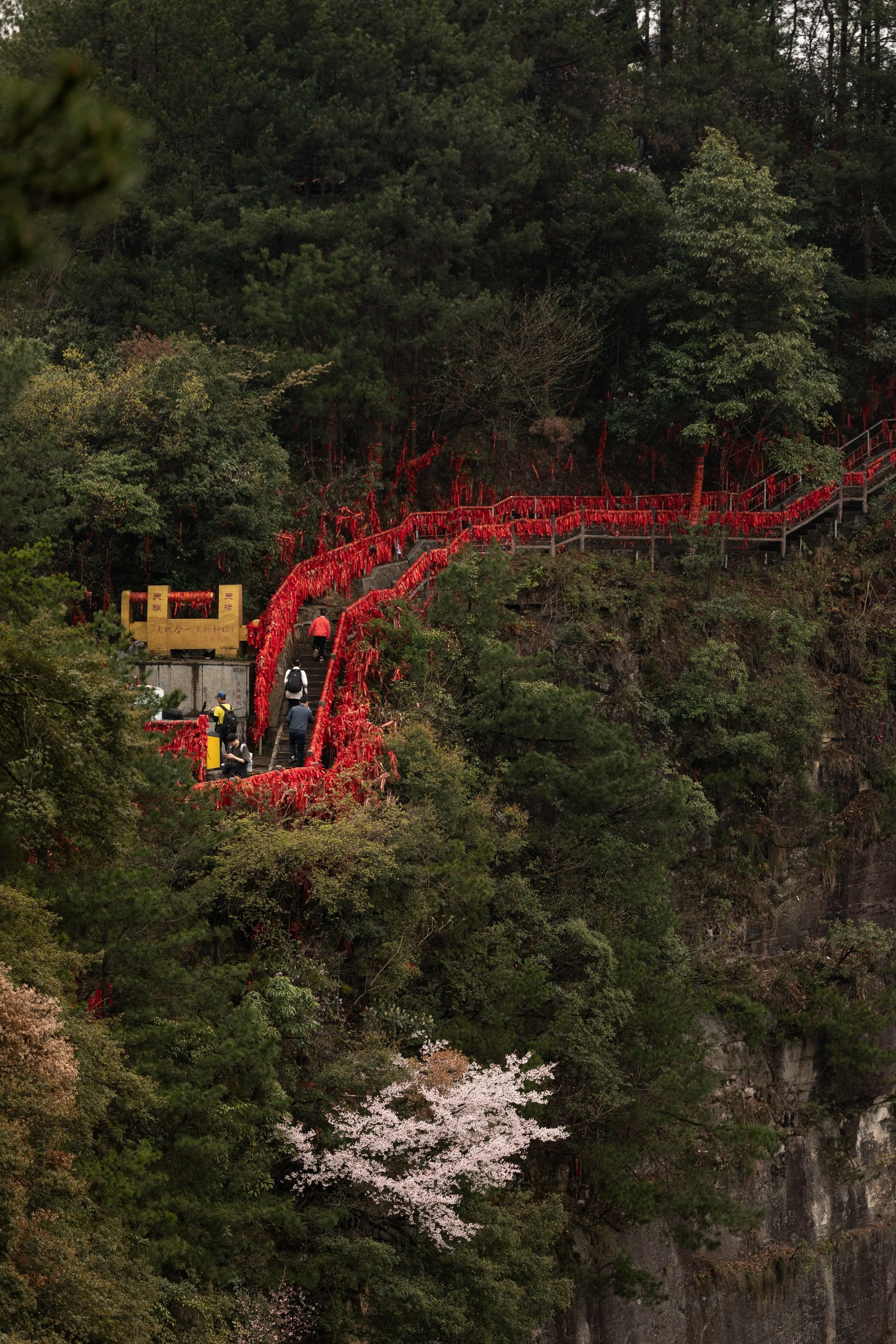
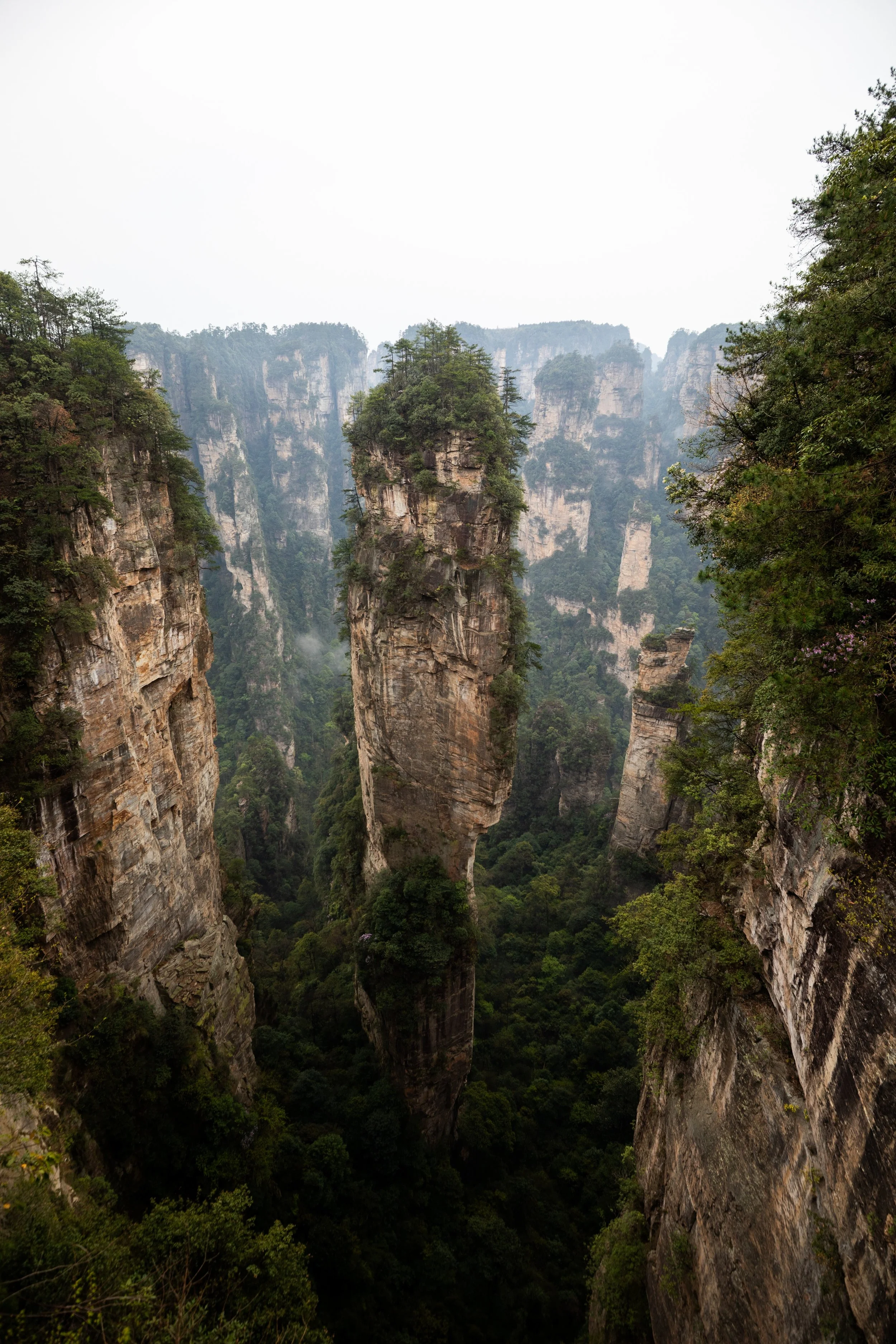
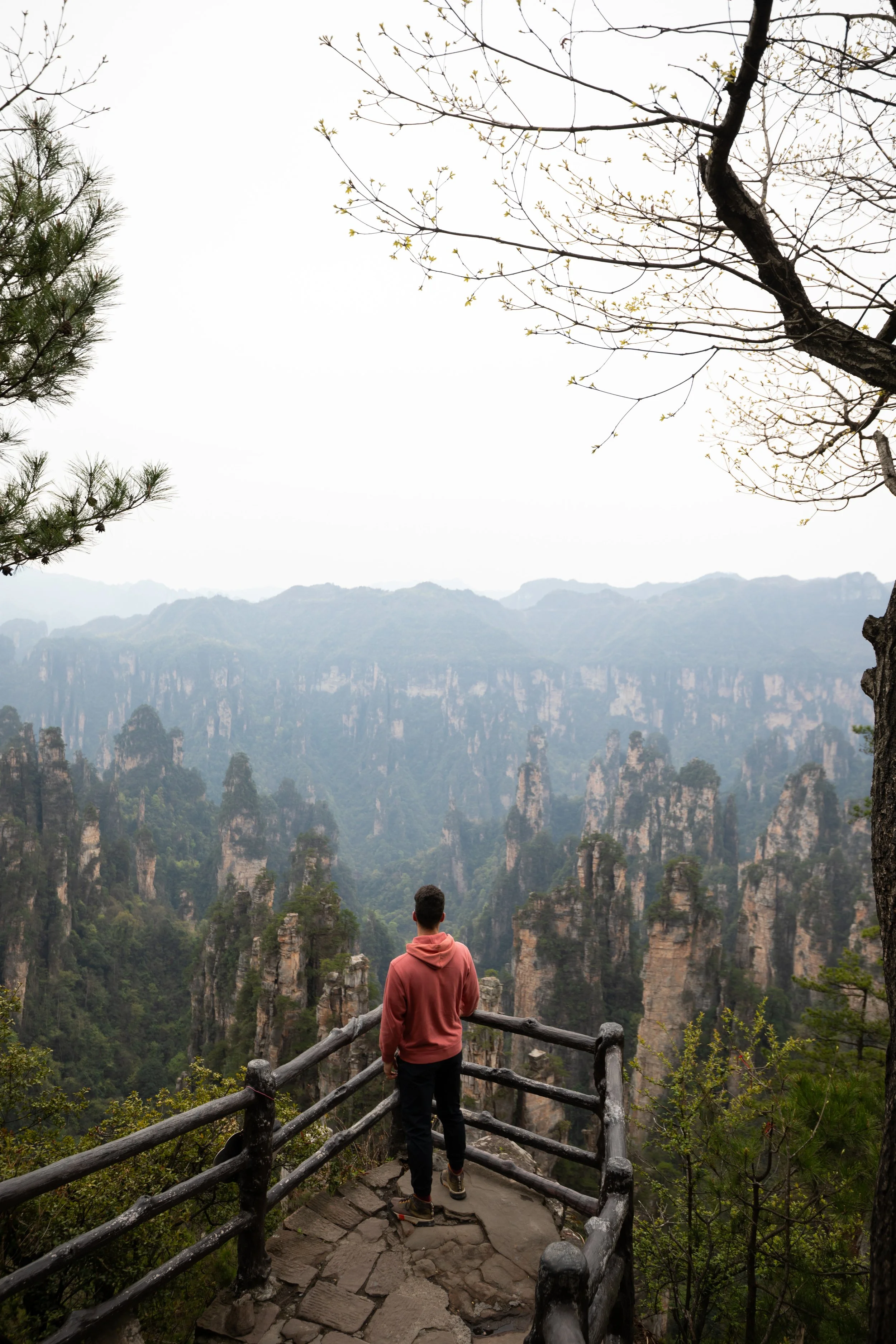
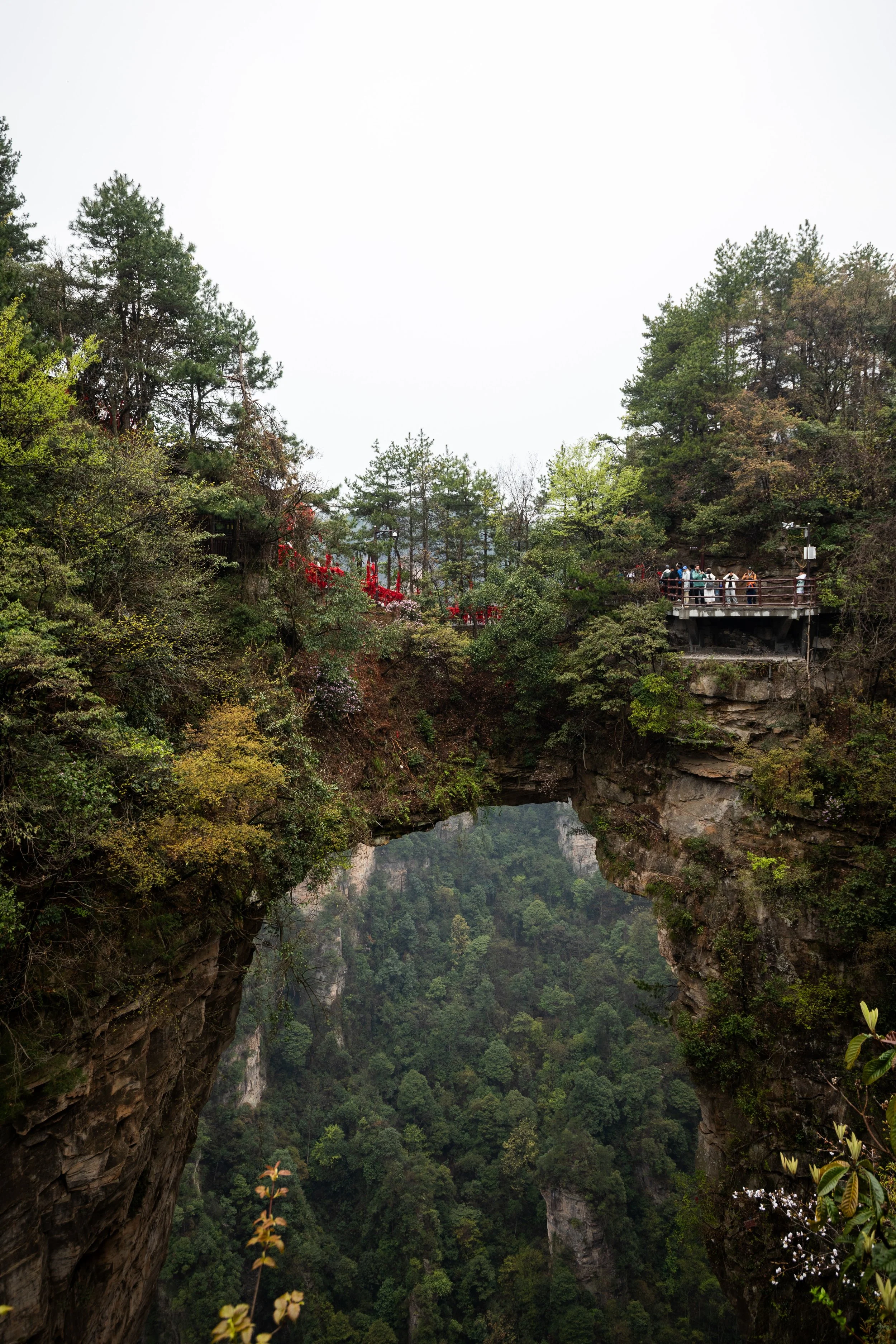
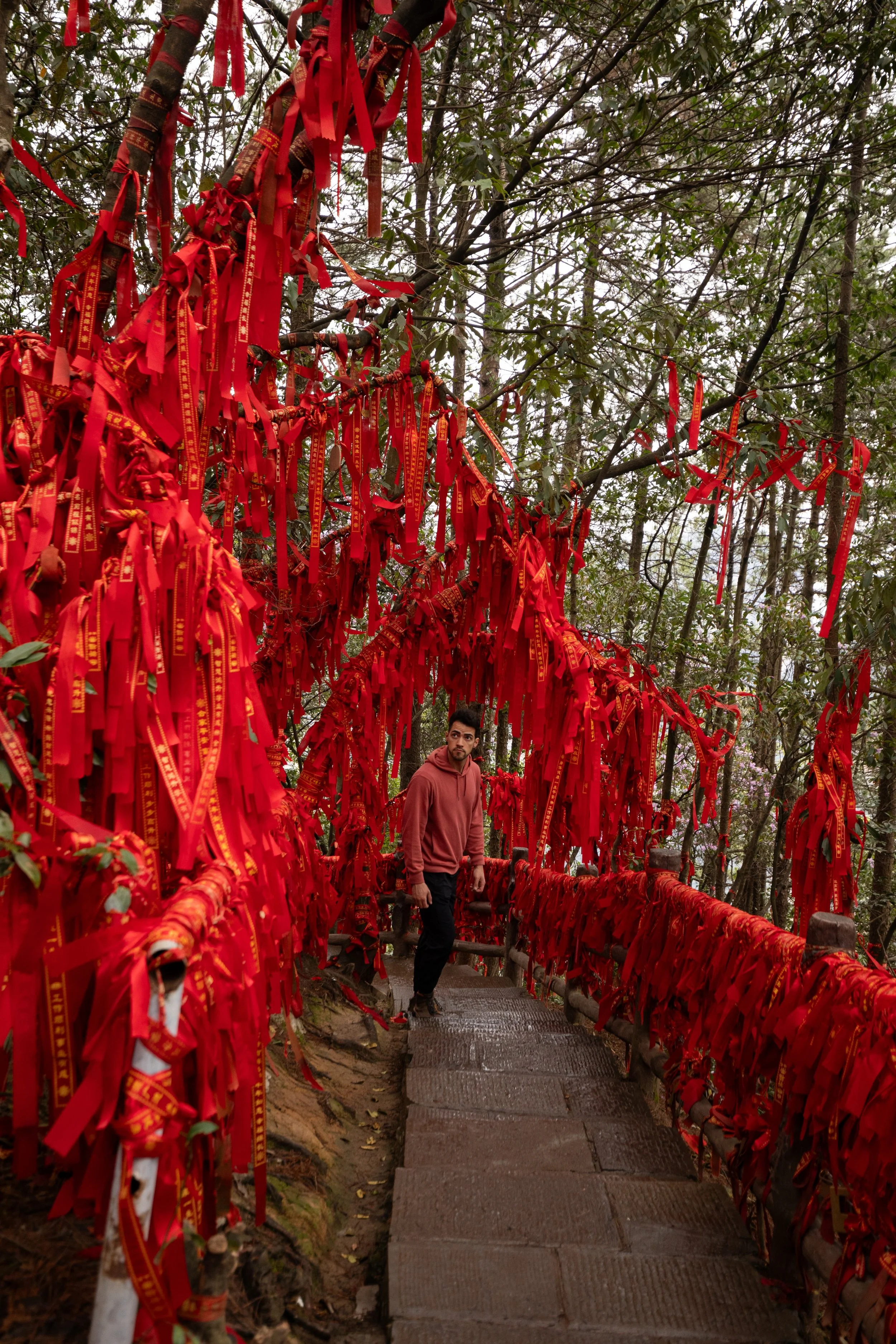
At the top, you will find several viewing platforms with incredible views of the pillars that inspired the floating mountains of Avatar (hence why this area in particular is known as Avatar Mountains). One of the most impressive sights is the Qiankun Column / Hallelujah Mountain which rises up to 1,080m (but note that is the height at the peak, as the vertical height of the pillar itself is 150m). Another interesting area is First Bridge Under Heaven, a natural bridge between two mountain peaks. On the other side of the bridge, there is a wishing forest where you can tie a ribbon to a tree and make a wish.
Yangjiajie Scenic Area
Yangjiajie Scenic Area is located on the west side of the park. It’s much less popular than Yuanjiajie, but still impressive. This area is a newer attraction that opened for tourism not too long ago, and some parts are still in development. Yangjiajie takes longer to explore in full - Its attractions are more spread out, and the paths leading to some of them are long and steep. Points of interest include various viewing platforms or rock formations, such as: The Natural Great Wall, One Step To The Heaven, Oolong Village, Tianbo Mansion. When we visited in April 2025, some of the trains were closed for maintenance, so we missed some of the highlights.
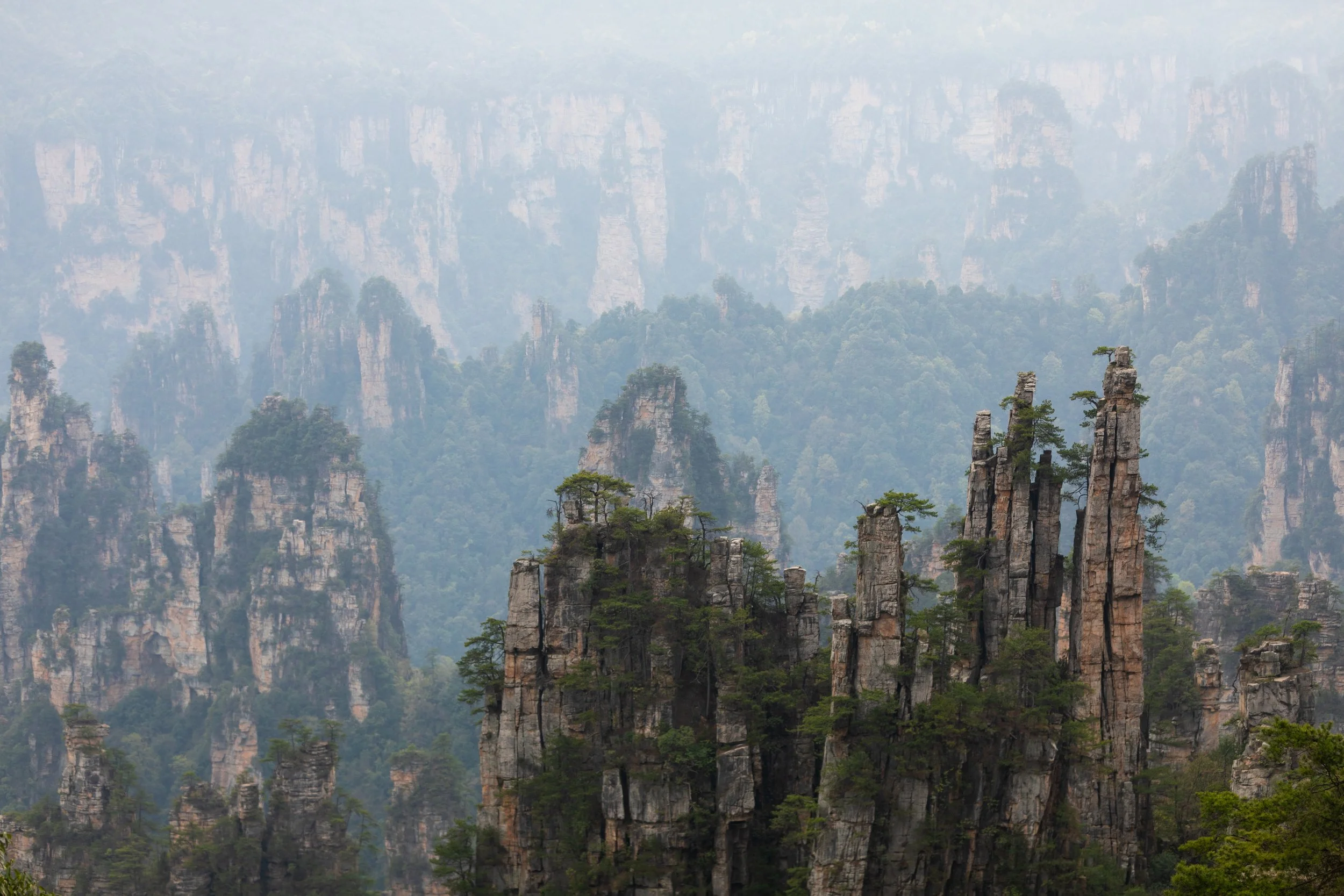
The eastern side of Yangjiajie can be reached by shuttle bus from Yuanjiajie or Tianzishan, so it could be a stop between the two, time-allowing. If you wish to start or end your journey here, there is a cable car (76¥) connecting the West Gate to the western side of Yangjiajie.
Of all the things there are to see within Zhangjiajie National Forest Park, I think Yangjiajie is interesting, but not an absolute must. It’s a nice area to explore if you have the time, but otherwise this is something you could potentially skip. The lack of crowds can be refreshing, but the scenery is somewhat less dramatic compared to Yuangjiajie or Tianzishan.
Tianzishan Scenic Area
Tianzishan (Tianzi Mountain) offers some of the best panoramic views in Zhangjiajie.
Instead of just a few isolated rock formations, there are lots of them stretching out into the distance - it looks like a forest, but with rock pillars for trees. There are many viewing platforms here, around the area surrounding He Long Park, connected by walking trails - we took some of our nicest photos here. If one platform is too crowded, just move on to the next one. If you are here towards the end of the day, the crowds would have left by that point, and you get some nice lighting too.
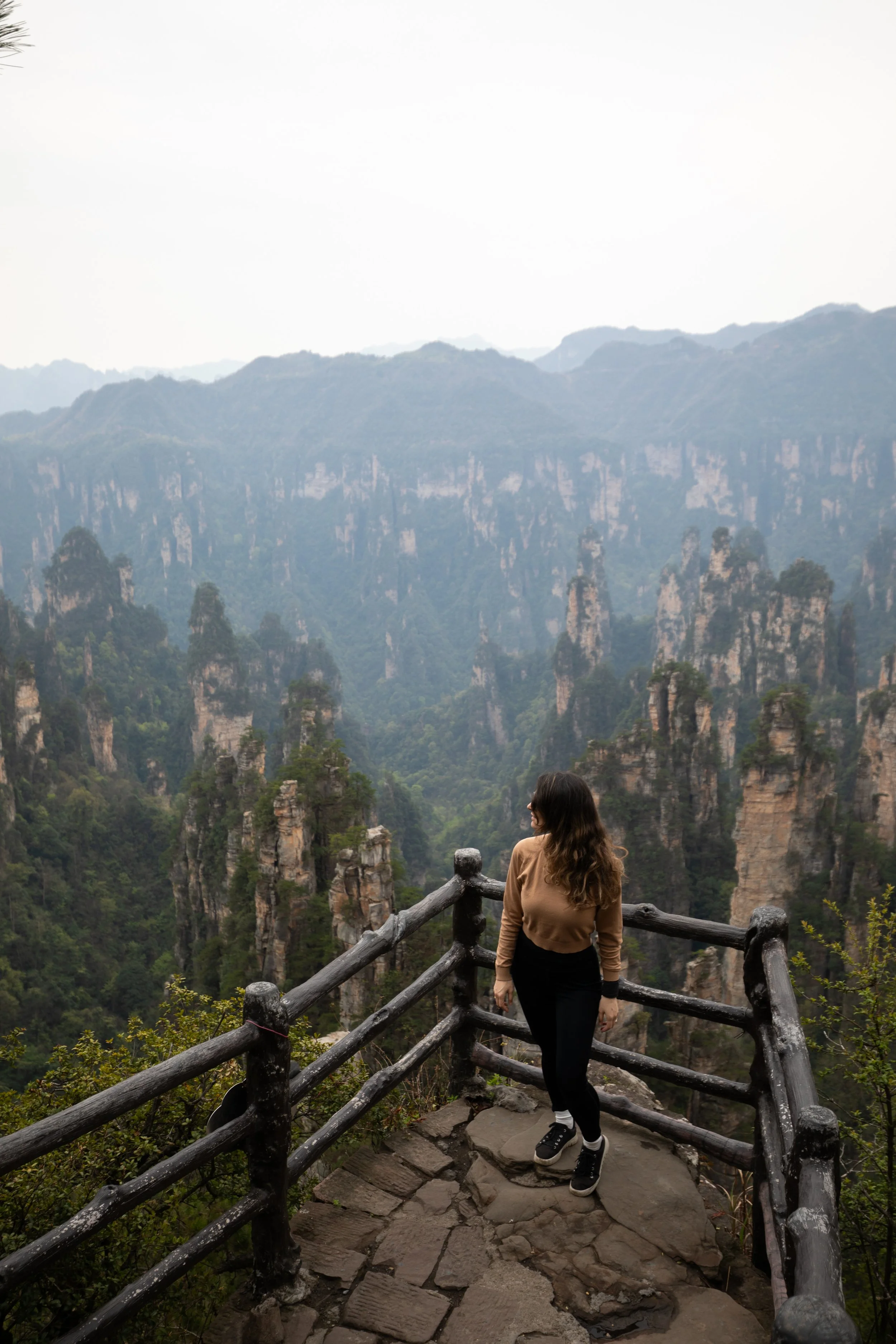
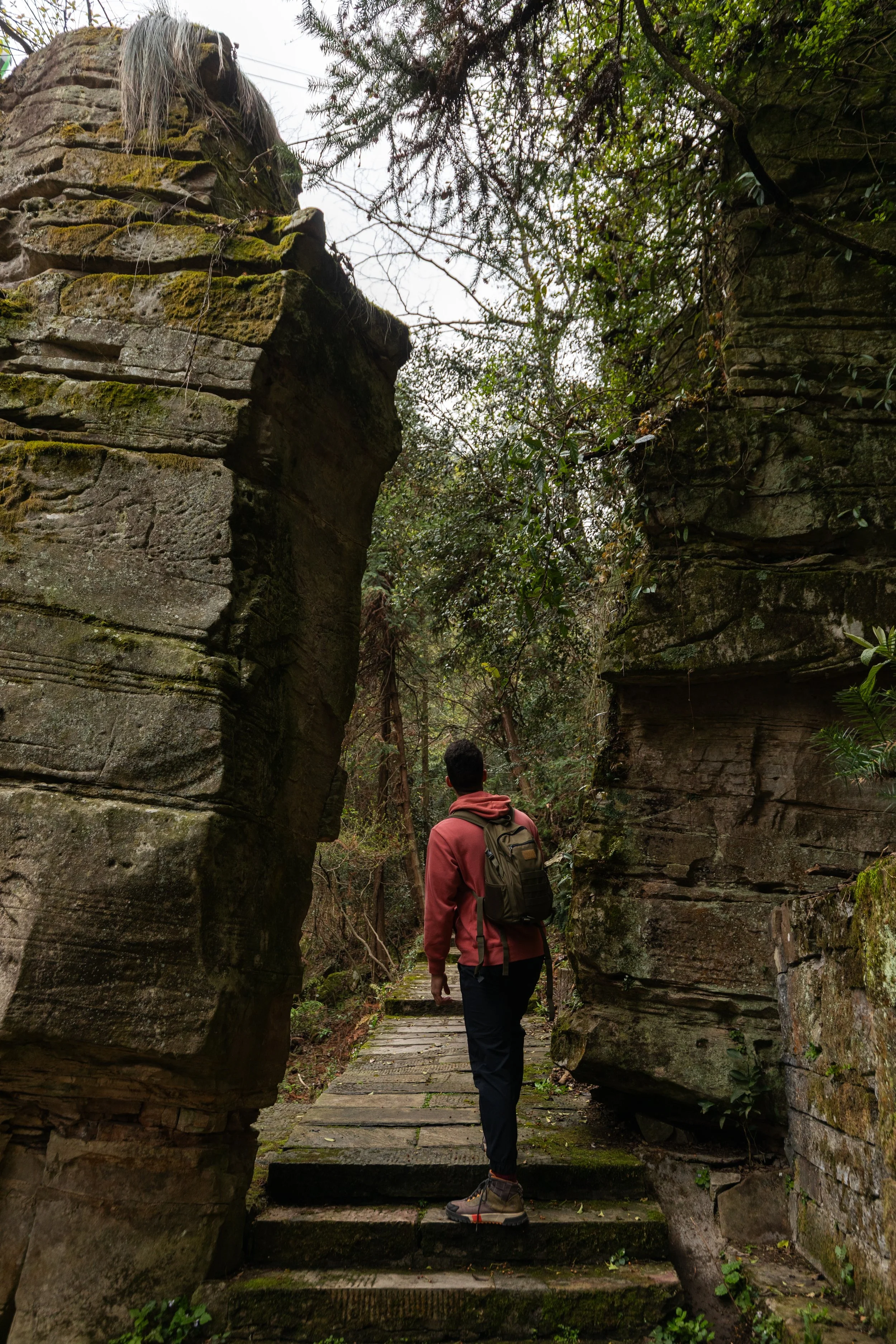
In contrast with the raw natural beauty of the scenery, the area around He Long Park is quite well developed, with plenty of facilities - including McDonalds and Luckin Coffee.
You can get to Tianzishan via shuttle bus from the direction of Yangjiajie/Yuanjiajie, or via shuttle bus + scenic cable car ride (72¥) from the East Gate.

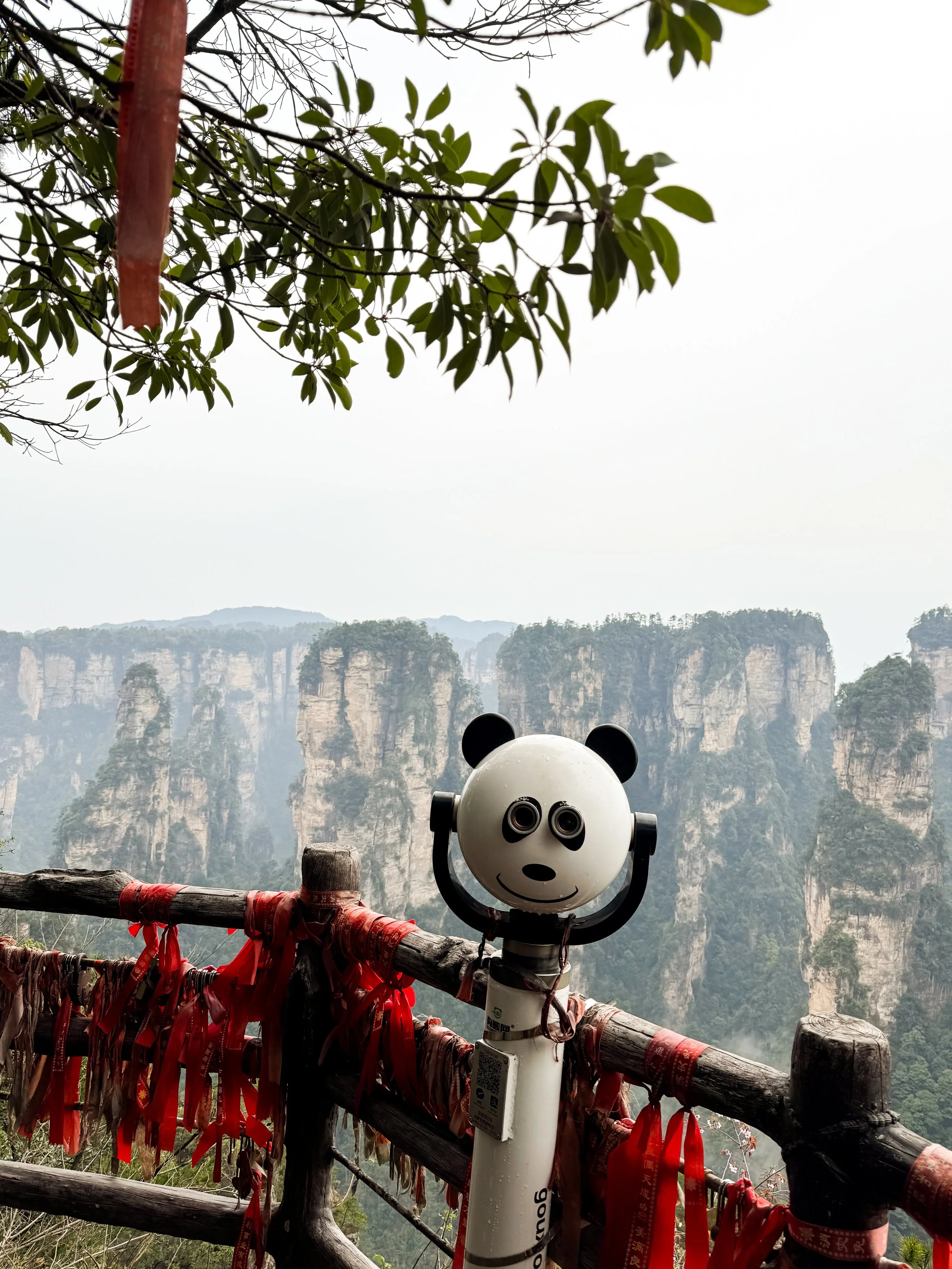
You can also walk between Tianzishan and the Ten Mile Natural Gallery (about 1h). There is a trail starting next to Tianzi Pavilion. We walked down around late afternoon and were almost completely alone for the entire time. There are a couple nice viewpoints along the way too. From the base, you can walk or take the mini-train (35¥) through the Ten Mile Natural Gallery to where the shuttle buses are.
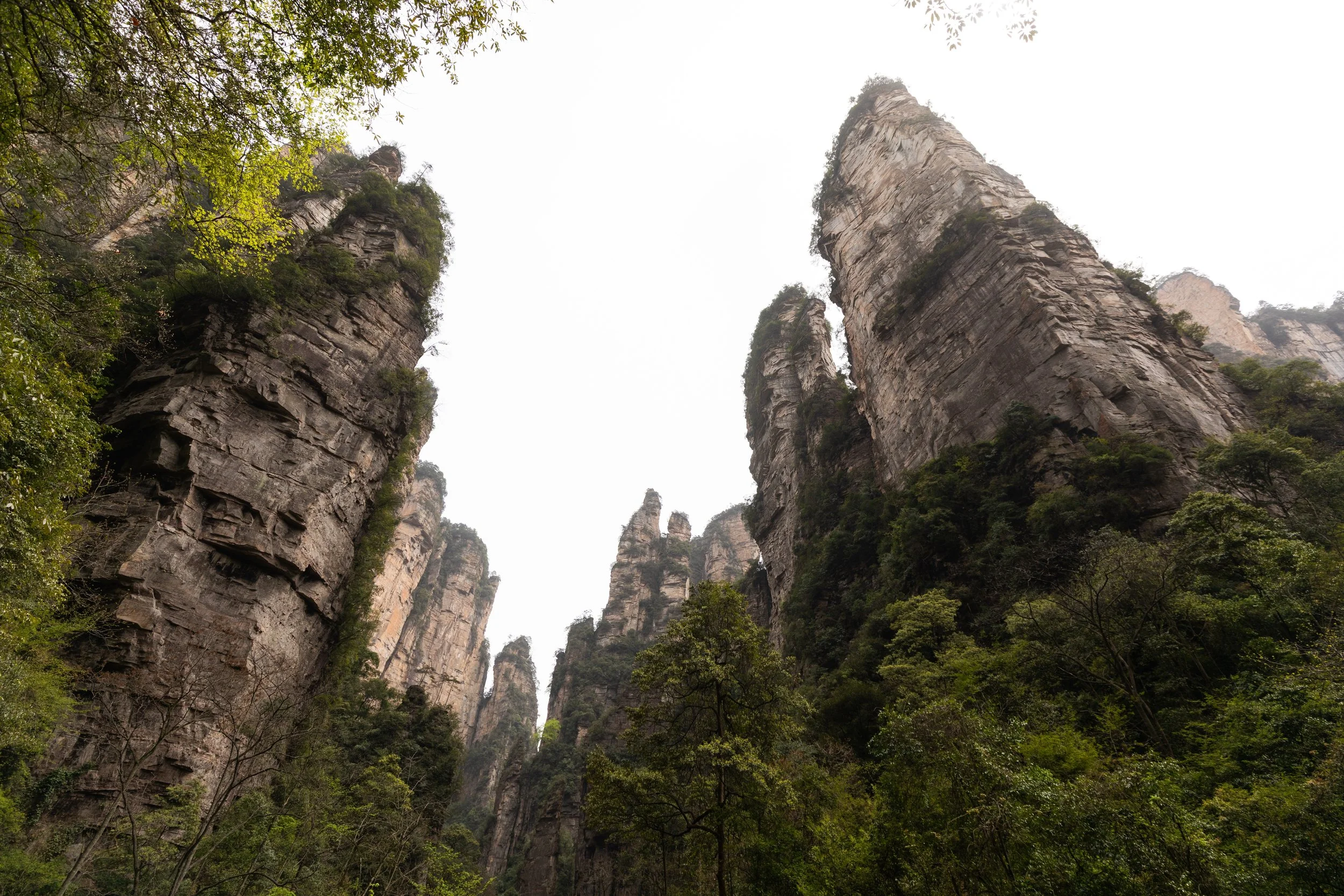
Ten Mile Natural Gallery
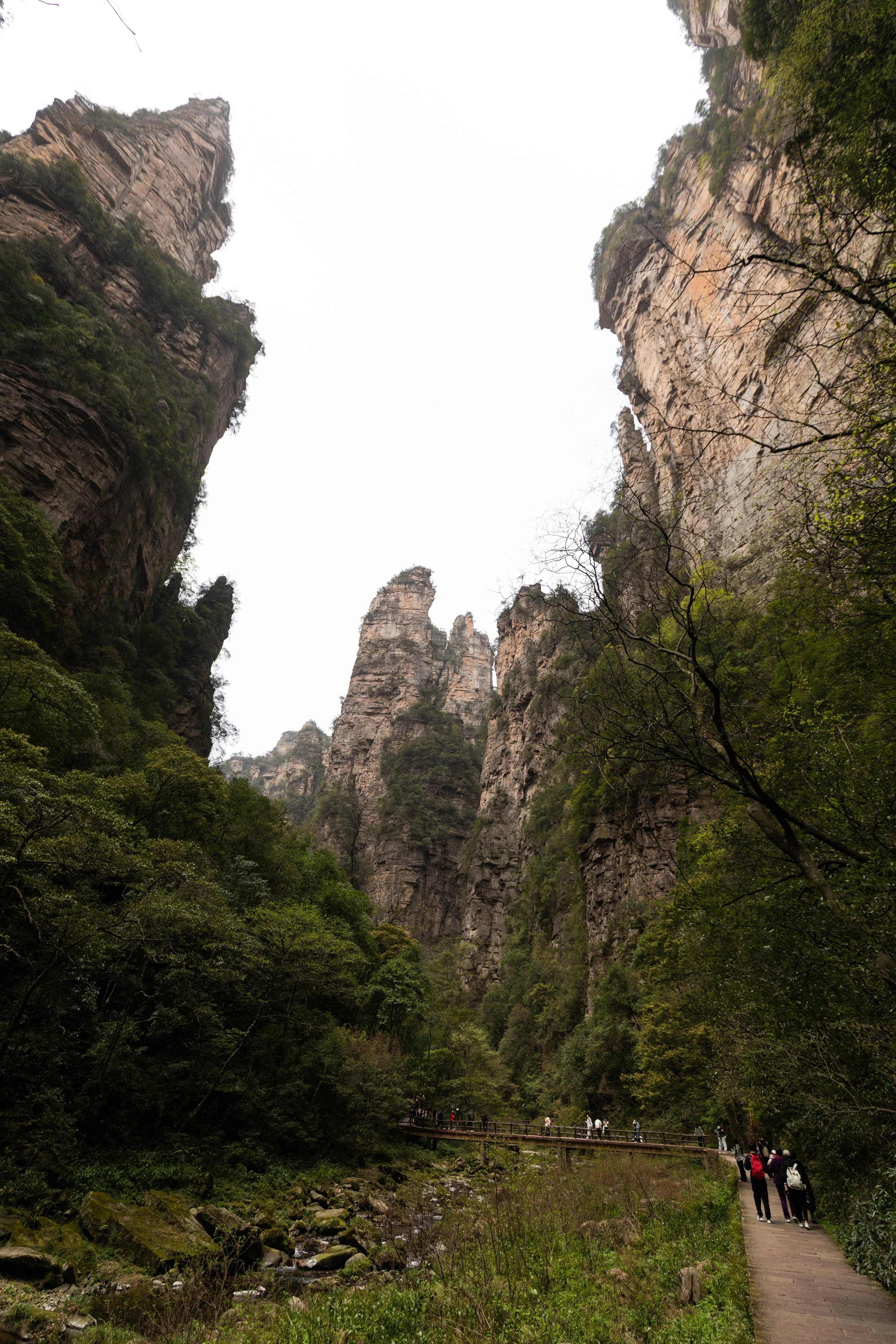
This is one of the valleys within Zhangjiajie National Forest Park, where you can go for a relaxing walk and see the pillars from below, for a change of perspective.
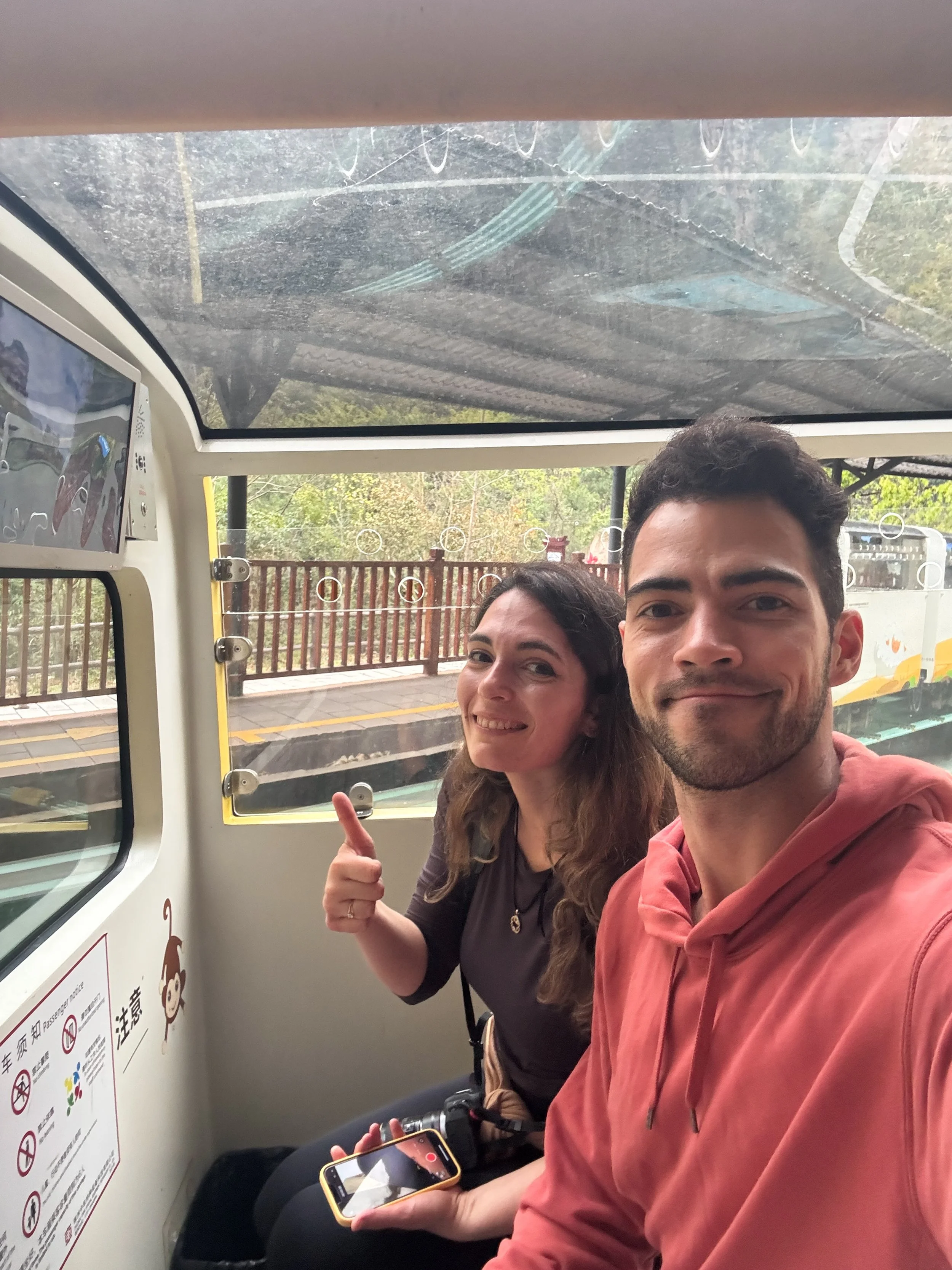
While you could walk, this journey is best done using the mini-train available (35¥), which is cute and fun. Pairing this with a visit to Tianzishan works well on the way down. If you are really drawn into the idea of walking down a valley, then the Golden Whip Stream would make for a more interesting experience.
Jinbianxi / Golden Whip Stream
Jinbianxi / Golden Whip Stream is a peaceful walking trail along the valley floor. This is probably as close as you can get to experiencing raw nature around Zhangjiajie, without all the added infrastructure (to some extent). The perspective looking up at the pillars is completely different from the mountain viewpoints.
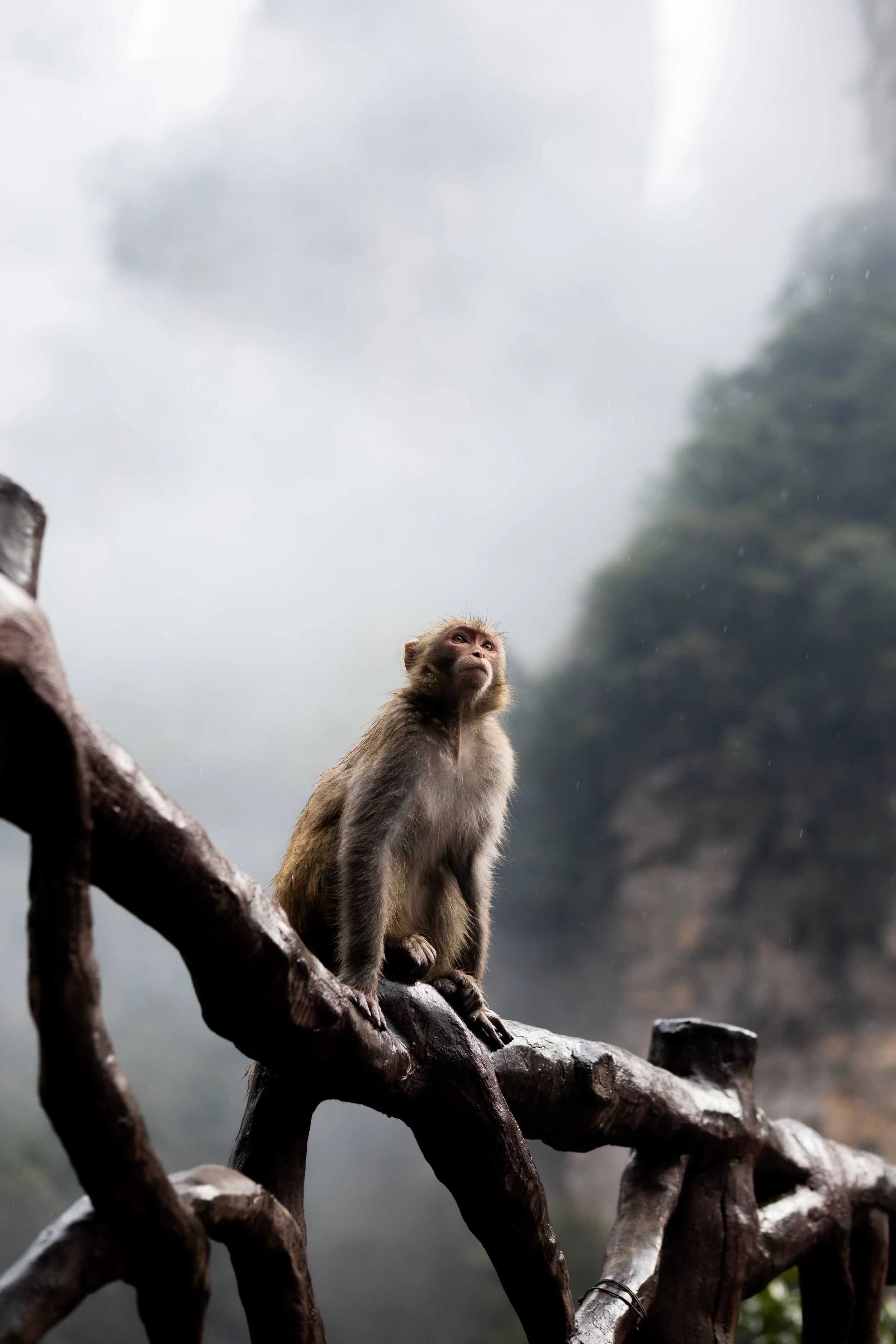
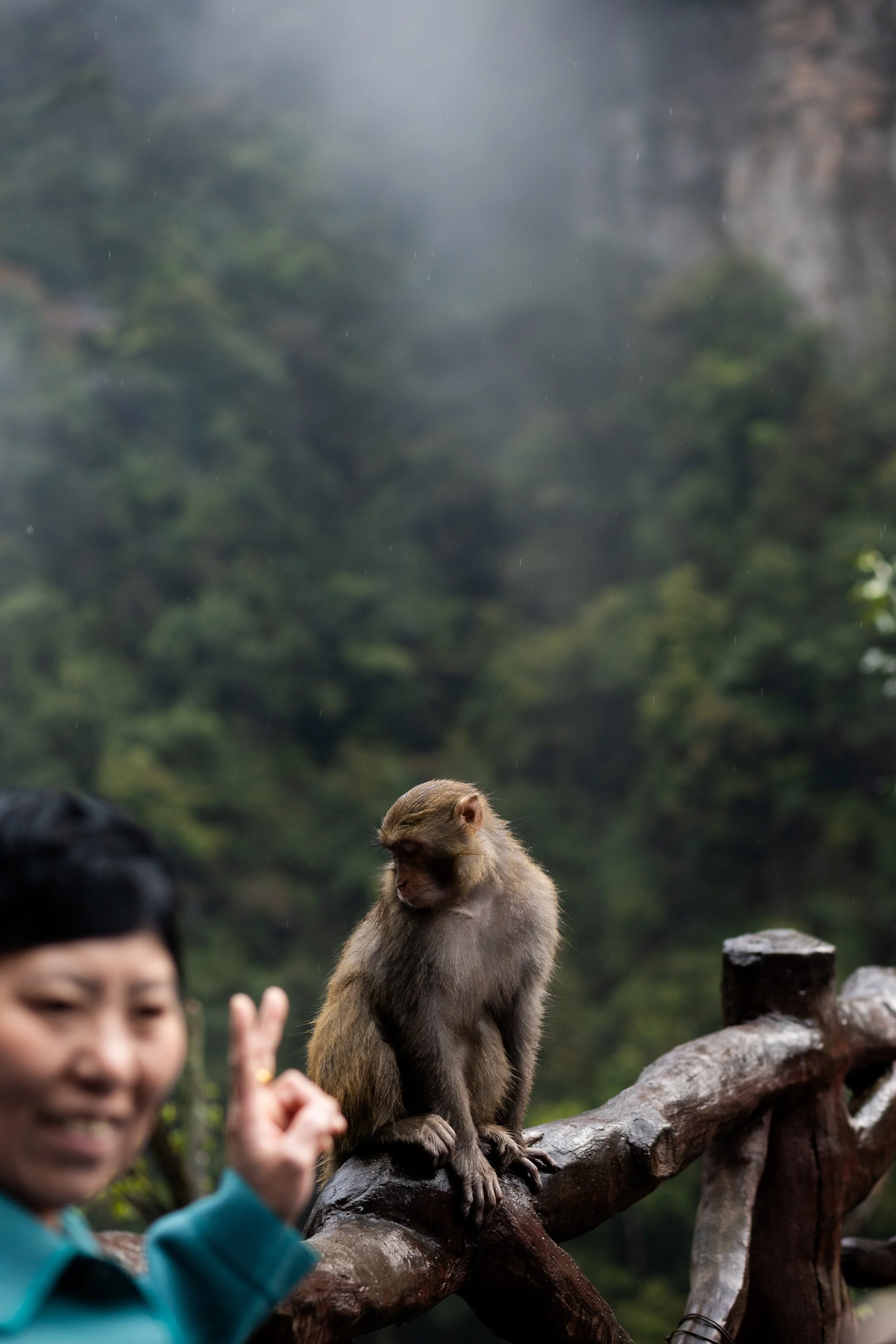
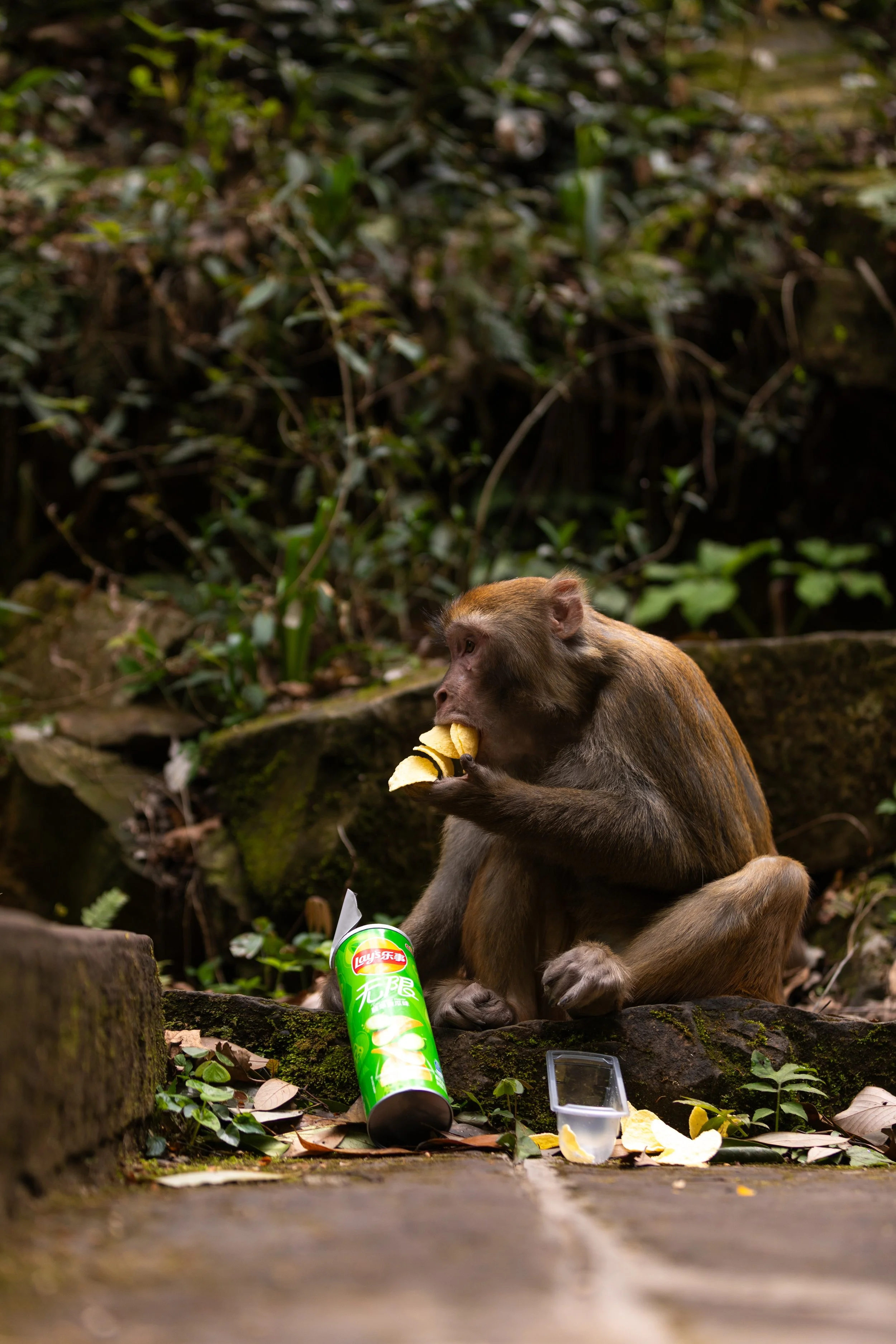
It’s very likely that you would see macaques along the way.
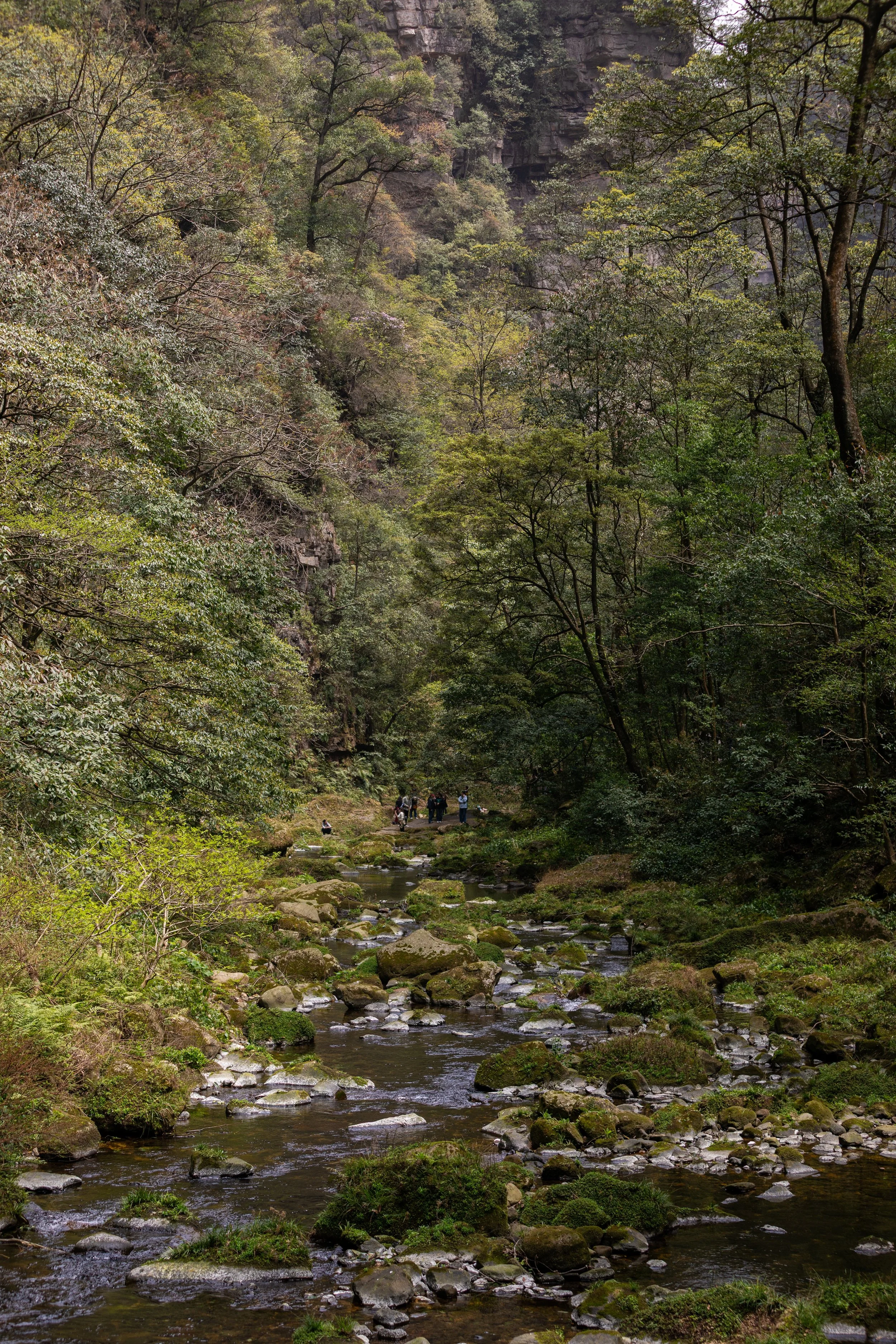
The trail is mostly flat and easy, and follows the course of a small river. The full route runs for pretty much the entire length between East Gate and South Gate, but a shuttle bus can cut this journey down to around 2h walk. One end of this trail would be near the bus stop just before/after Bailong Elevator, while the other is at Oxygen Bar Square, near the South Gate.
A walk along Golden Whip Stream can be paired with a visit to Huangshizhai which is easily accessed from Oxygen Bar Square.
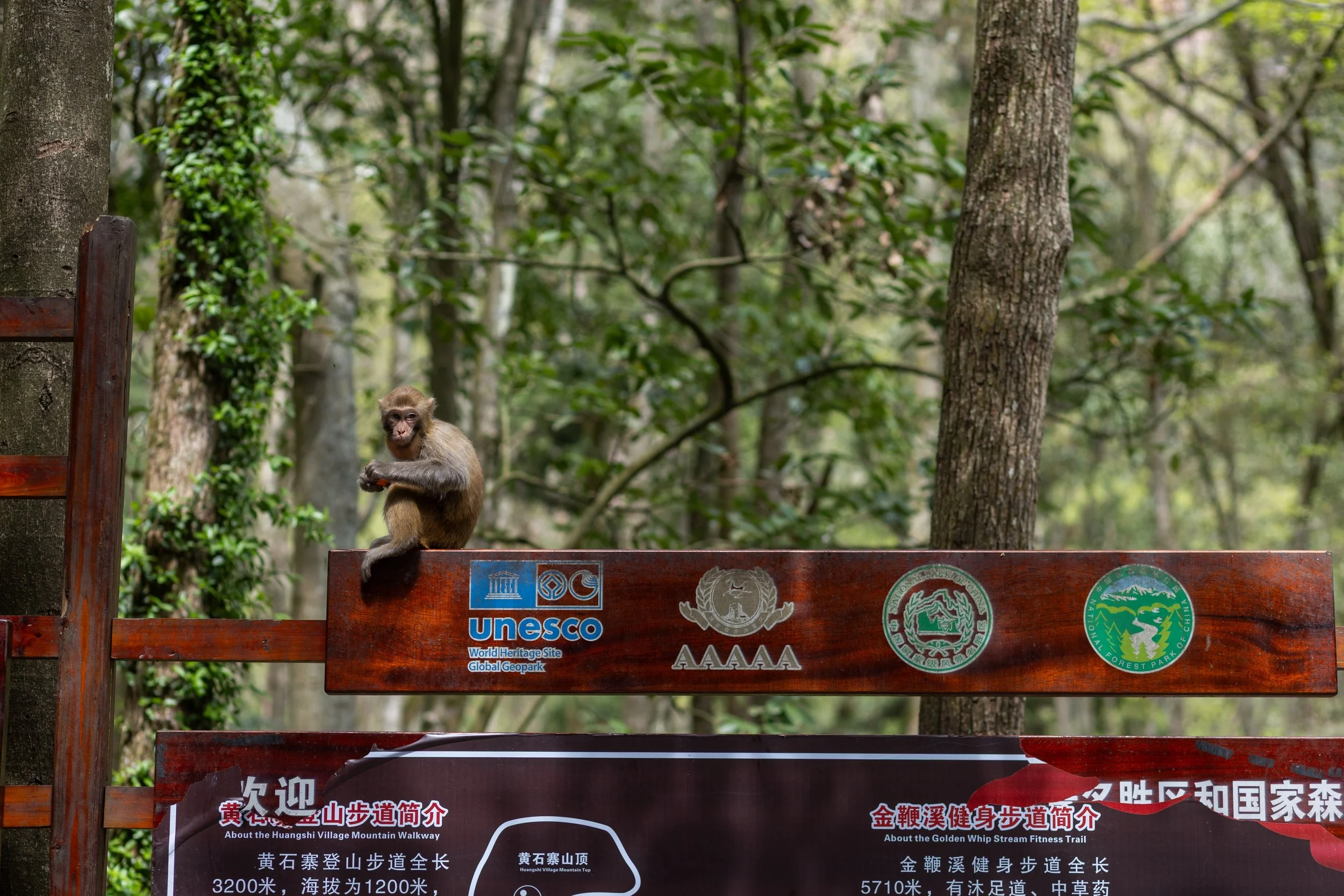
Huangshizhai / Huangshi Village
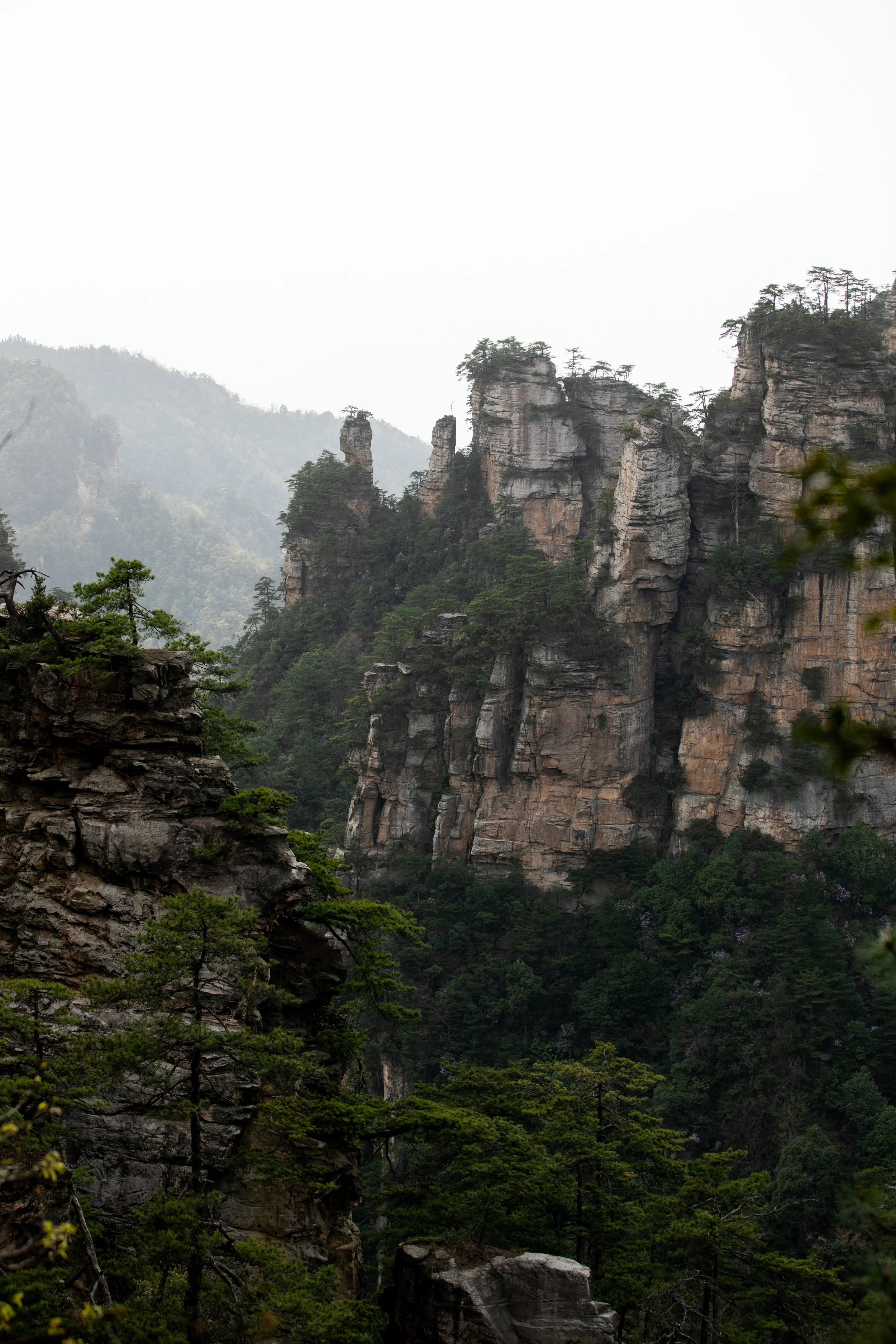
Huangshi Village is not a village at all, but a large mountain plateau, surrounded by typical Zhangjiajie scenery to all sides - the views are spectacular!
The landscape is a bit different to the other scenic areas, with more dense foliage. There is a trail that loops around the plateau, with viewing platforms along the way - you could easily spend around 2h at the top.
You can get to Huangshizhai by cable-car (65¥) or hike - unlike other areas, it cannot be reached by shuttle bus. The cable-car is both scenic and very convenient, so I would recommend taking it at least for the way up. The lower station is located close to the South Gate.
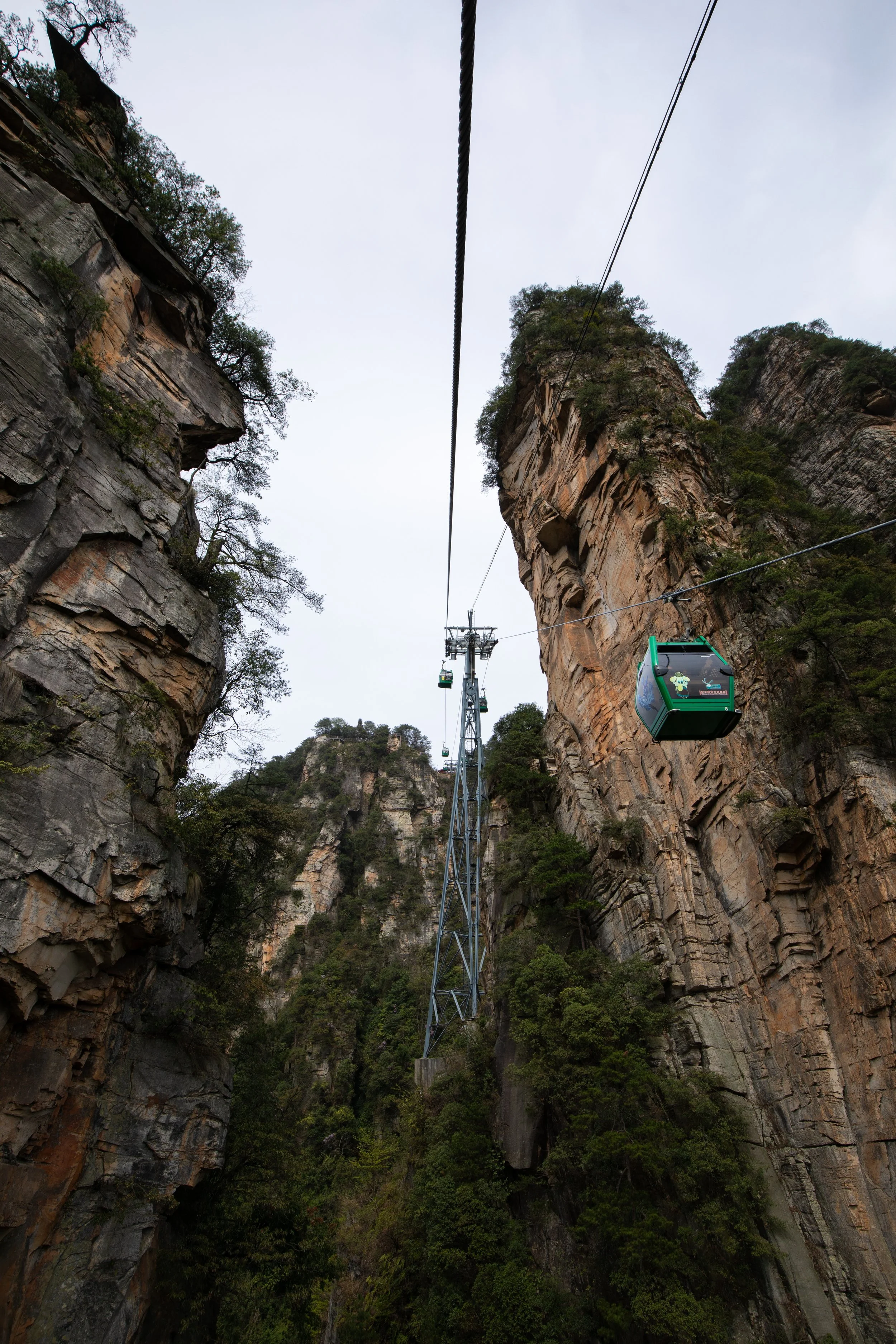
Other attractions
There are other attractions around Wulingyuan, but note that those are outside of Zhangjiajie National Forest Park, and part of the wider Wulingyuan Scenic Area. They all have a separate entrance fee, and are not included in the 4-day pass.
Popular attractions include:
Baofeng Lake (48-96¥ off-peak/peak)
Huanglongdong / Yellow Dragon Cave (121¥)
Grand Canyon (178¥)
We only had time to visit Tianmen Mountain (1 day) & Zhangjiajie National Forest Park (2 days), so we did not visit any of these places.
For more ideas of places to visit, check out my map of China.
This post uses some affiliate links which may earn us a small commission from clicks that result in a purchase at no extra cost to you. We hope the information is useful and thank you for supporting our blog.
More in Latvia


Ideas for a perfect day in Riga